
The conceptual, multidisciplinary artist goes into detail about his artistic approach, protecting his artistic integrity, what rest means to him as an artist, and more.
Artfully Free is a column by Akili King that explores themes of creativity and artistry at the intersections of freedom and self-care. Each instalment features an interview with a rising artist who gets real about their journeys, artistic integrity, what self-care means for their practice, and how they avoid burnout – or not – in our fast-paced world.
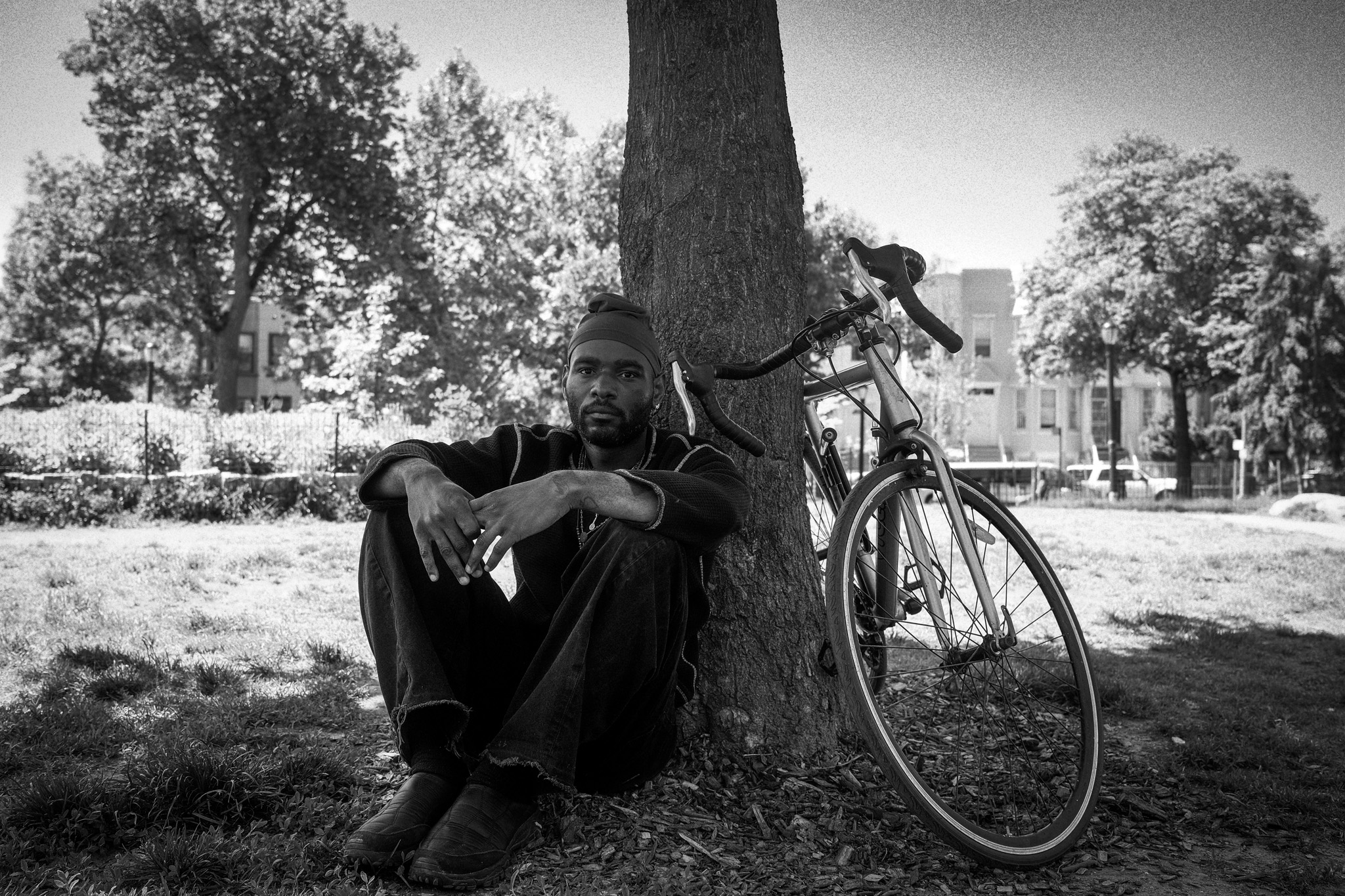
Don’t try to place Lamar J. Robillard into a box.
What makes him stand out is his ability to tap a range of media with what seems to be effortless ease. Think: photography, filmmaking, sculptures, and even found object work. You can also expect that his projects will be layered with cultural references from his Haitian background and those of the Black experience at large. In his words, he says his work is “Informative, loaded, eclectic,” the New York native shares. “Flydom is what I’ve coined. I’m always thinking about liberation and freedom with the absence of the weight of the pain,” he continues on a winter day in Brooklyn. Since speaking, he’s done everything from becoming a Bronx Museum Fellow and screening his film Ghetto Birds In Us, Let The Sky Touch My Soul at Microscope Gallery, to displaying his book process at The Compound in Baltimore, and becoming the Director of Programming at HAUSEN.
Reflecting on what inspired his artistic journey in the first place, he says, naturally, “there are many facets to that story.” Once a stylist to recording artists, a producer, running his own brand, and even acting as a curator, “I was really trying to understand my own language and when I felt like I wasn’t getting recognition, it always pushed me to do more,” he says. The turning point? When he went to Martos Gallery and bought the book Soul of a Nation nearly ten years ago. “Reading and studying the book made me realise, ‘oh, I’m an artist,’” Robillard reflects. “That’s why you can work across all of these different mediums.” And, thankfully for us, he hasn’t looked back since. Next, Robillard has intentions of putting out poetry books, curating more galleries, and showing his own work in galleries, too.
Below, Robillard goes into detail about his artistic approach, protecting his artistic integrity, what rest means to him as an artist, and more.
On His Approach To Art:
My approach is all about play as resistance. I think there’s a lot of artists that feel forced to make work due to the market. I’m like, I’m not too impressed about the market. Of course I want work to sell, I’m an artist. But I want to sell things that I feel good about, and that motivate me to keep going.
I like to go take walks. I see the world. I source materials. But it’s funny because a lot of the ideas come from other ideas. I’m usually working on one thing, and I get 20 million ideas about another project. But much of my process includes reading, thinking, watching, and also spending time with friends. A lot, a lot of my ideas come from just conversations with friends. I think a lot of artists need to be reminded that they don’t need to be cooped up in the studio – that they can go and live life.
On Knowing Which Medium Is Best For Getting A Point Across:
I let spirit and the information guide me towards the material. And oftentimes I think people are kind of like, “It needs to be this, it needs to be that. ” But I think a lot of times the discourse can tell you what the material is. I try to ask myself what I’m trying to convey? And I also think a lot about how I can engage with a Black audience. That often guides me to what materials to use. So I’m always thinking, ‘what’s in a Black household? What do we wear? What do we do?’ Sometimes it doesn’t come to me right away, and those are times when I just go out for a walk, start sourcing, and picking up things that speak to me.
When He Makes His Best Work:
There’s no specific location. I can make work on the fly because I travel a lot and I do a lot of residencies. I think home is where I make the best work, and home is really wherever I feel comfortable – and wherever I have books.
On Taking A Step Back From Work:
I listen to my gut and spirit a lot. But I also know I need to slow down when I start accidentally hurting myself. For example, I work with a lot of materials that are raw and natural materials and you have to manipulate and change them, and take your time. But sometimes I don’t listen and feel like I need to work because of capitalism, and I end up getting little cuts. I was once working on a sculpture and almost cut my whole thumb off.
That’s when I’m like, all right, you need to sit down. After all, I truly believe artists make their best work when they’re well rested, when their mind is at ease, and they’re at peace.
How He Defines Self-Care As An Artist:
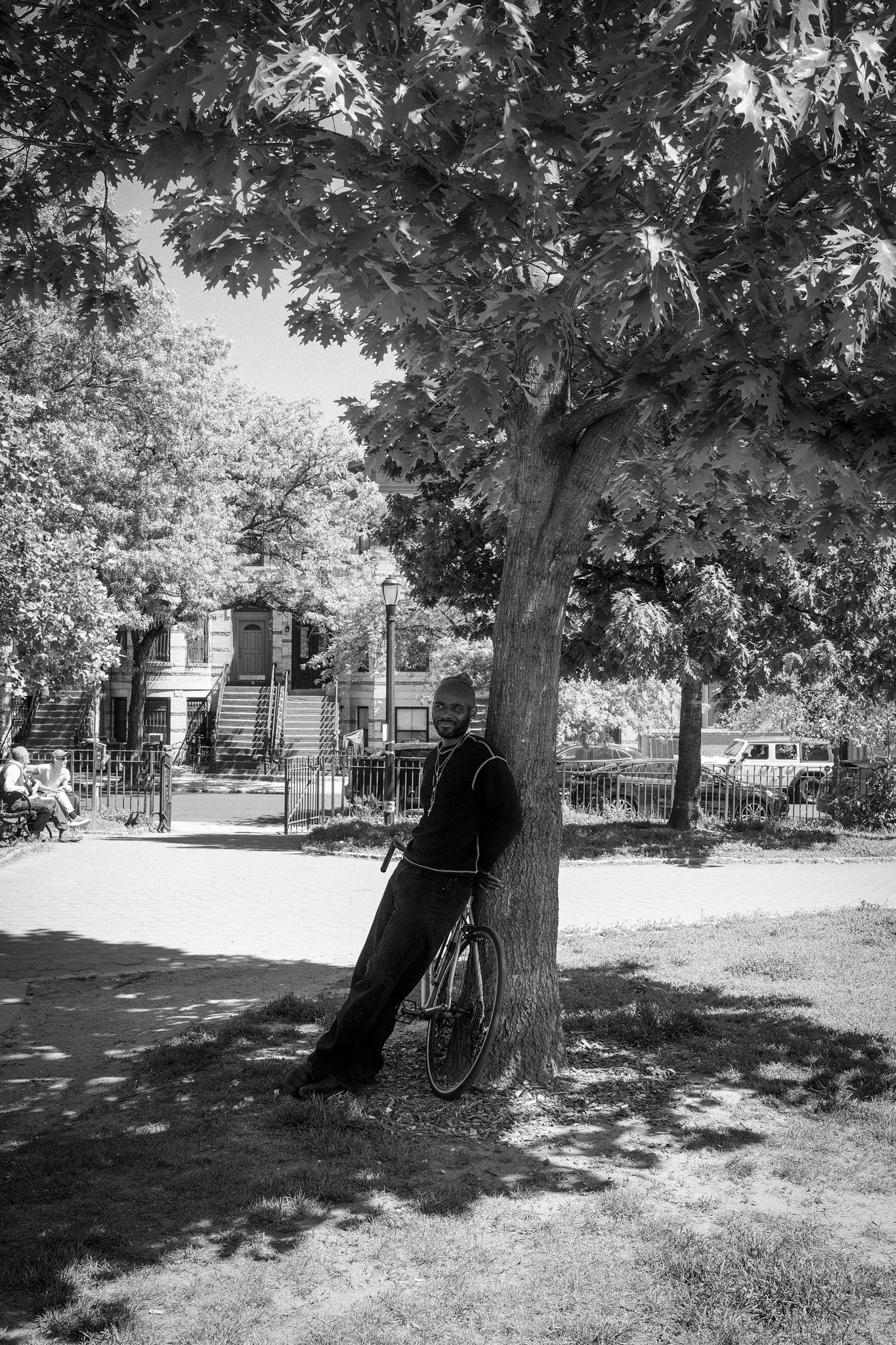
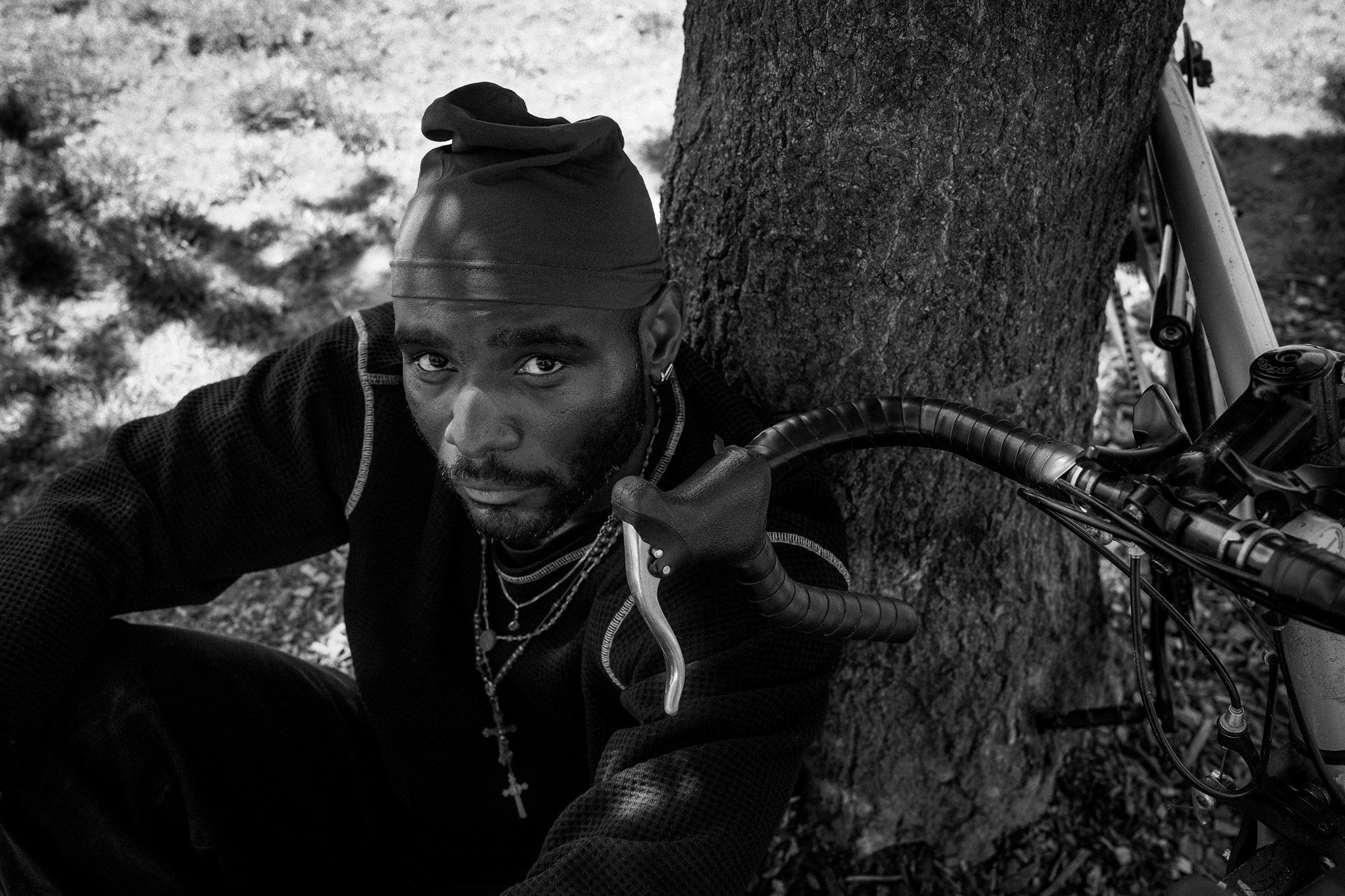
For me, it looks like biking. It’s like getting fresh air, playing chess, exercising, reading, eating well, too. I make sure I have a smoothie a day, and I like my breakfast – I try to have a pretty healthy, wholesome, filling breakfast. Otherwise, I try to take moments to sit down and relax, take walks, talk to friends.
On Burnout and Artistry:
I try not to push myself through those moments of burnout. When I feel burnout, I just rest. I just think that’s your body and spirit and universe telling you to sit your ass down. I think it’s okay to just sit down, and say no to an opportunity.
Of course, there are other moments that I do have to push through: when I’m like, all right, you have this deadline, you don’t really have a choice. And there’s moments where I’m sleeping on the floor of my studio because I feel like the work is not done and I can’t. So it’s a weird tension.
On The Role Of Music In His Process:
‘Cruising’ by D’Angelo is one of my favorite songs. So I play that all the time. I think music also fuels my practice. There’s a lot of musical references in my practice. Other times, there’s no music, but I’m listening to an interview instead. That helps me gear up to get into the moment, and get into work mode.
On Protecting Artistic Integrity:
I think it’s important to stay on top of your contracts, and stay on top of your business. I think there are a lot of artists doing things now for money and capitalism and clout. But I have such a detached relationship with money, capitalism and all of these things. To me, the only thing real in life for real is love.
I’ve said no to a lot of opportunities. I’ve also said no to signing with several galleries several times because I just felt like things just didn’t align. And for me, my idea of success is peace, happiness, love, family, respect, tapped potential, and creativity.