
Halo Perez-Gallardo on the End of Lil’ Deb’s Oasis, the Ritual of Funerals, and What Comes Next.
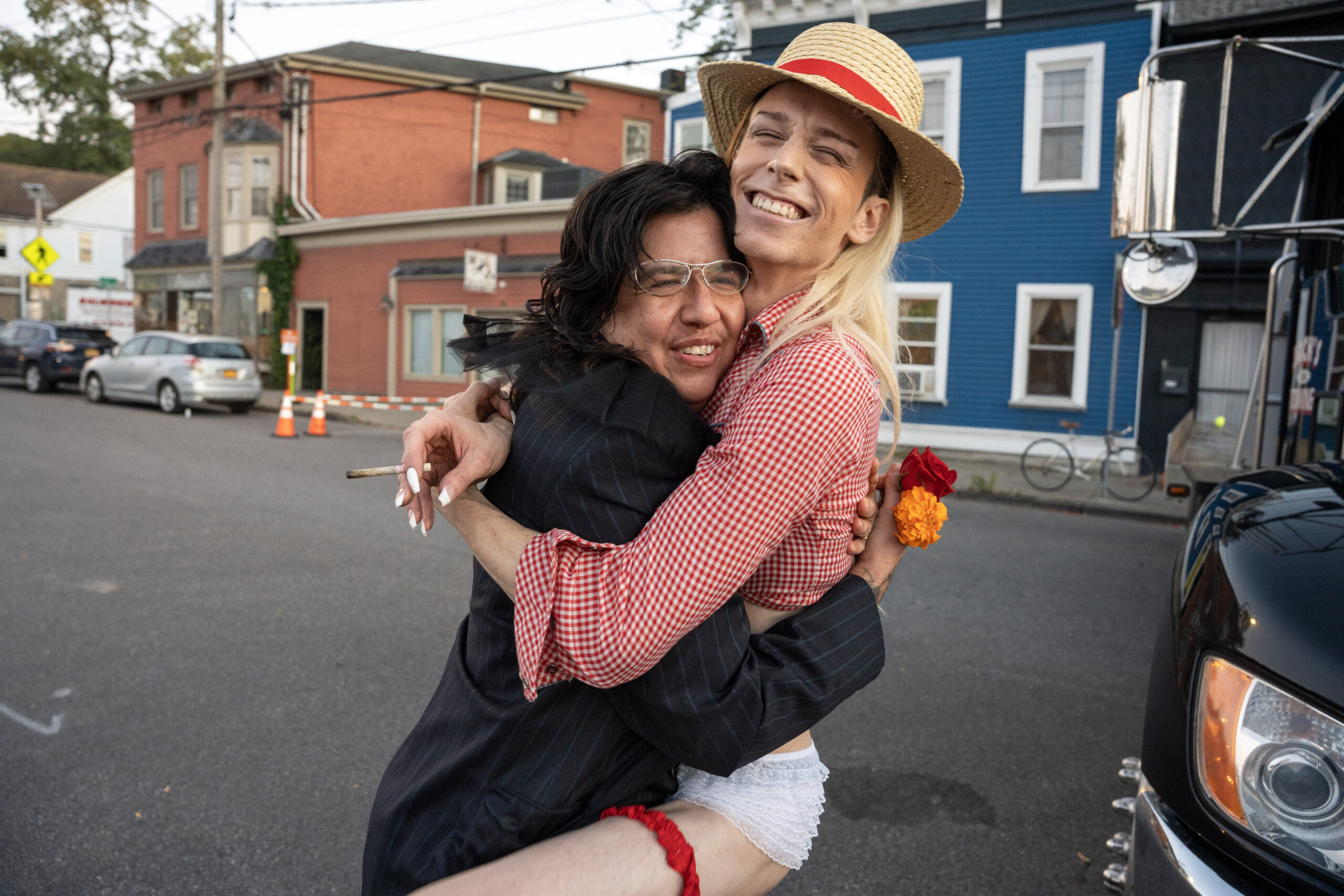
Lil’ Deb’s Oasis, the beloved queer restaurant, bar, and community space in Hudson, NY, has closed its doors after 11 years. Known for its whimsically creative Latin American dishes, Queer Nights of Performance, and brightly colored exterior, the restaurant was full of love and joy. Above all else, there was an undeniable sense of homeliness. Everyone knew each other. It was a gathering space, full of birthday celebrations, noisemakers, and tambourines. The announcement of its closure in early June marked the beginning of collective grieving, but it also gave people a chance to express their gratitude for a place that had brought them together and that so many had helped build.
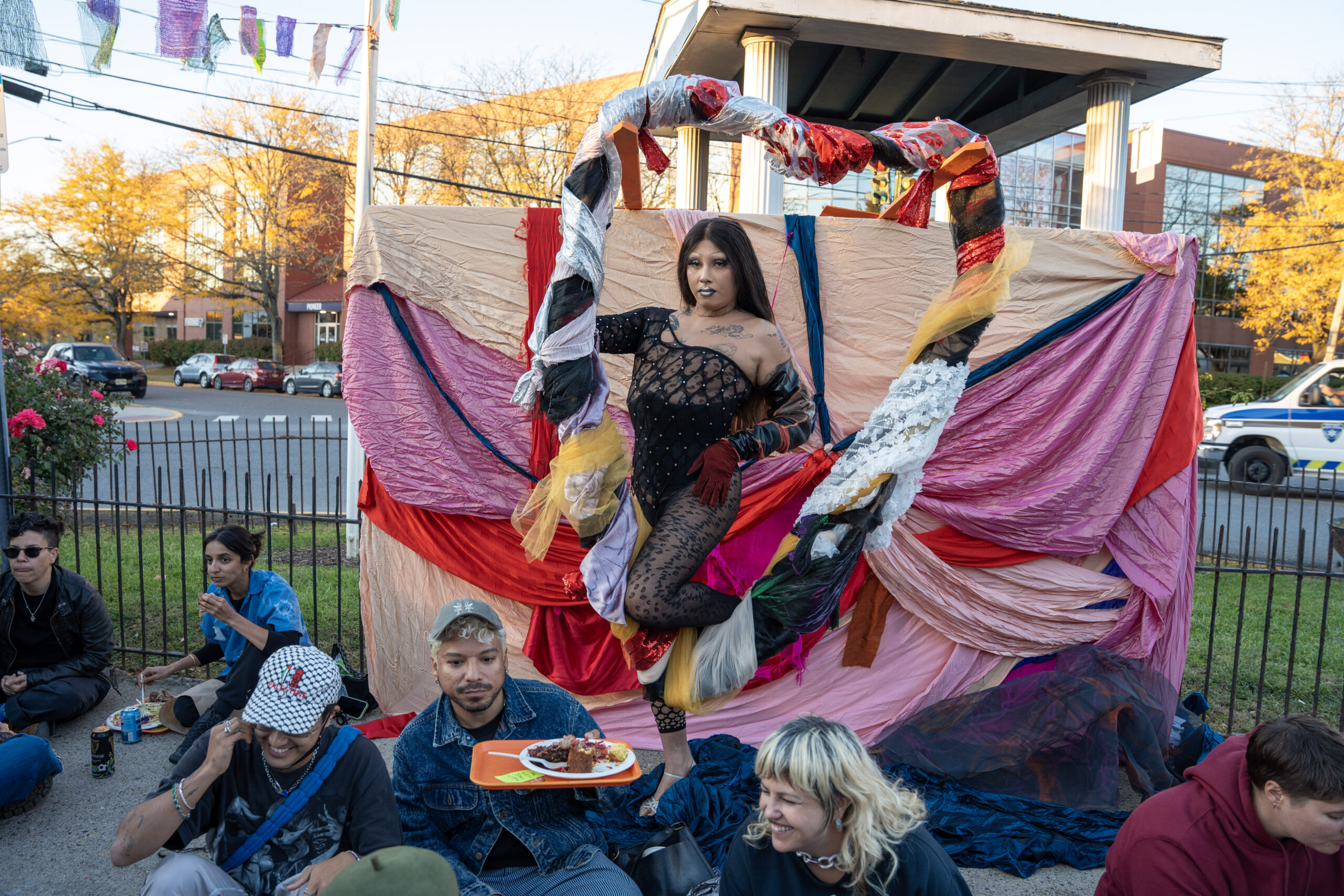
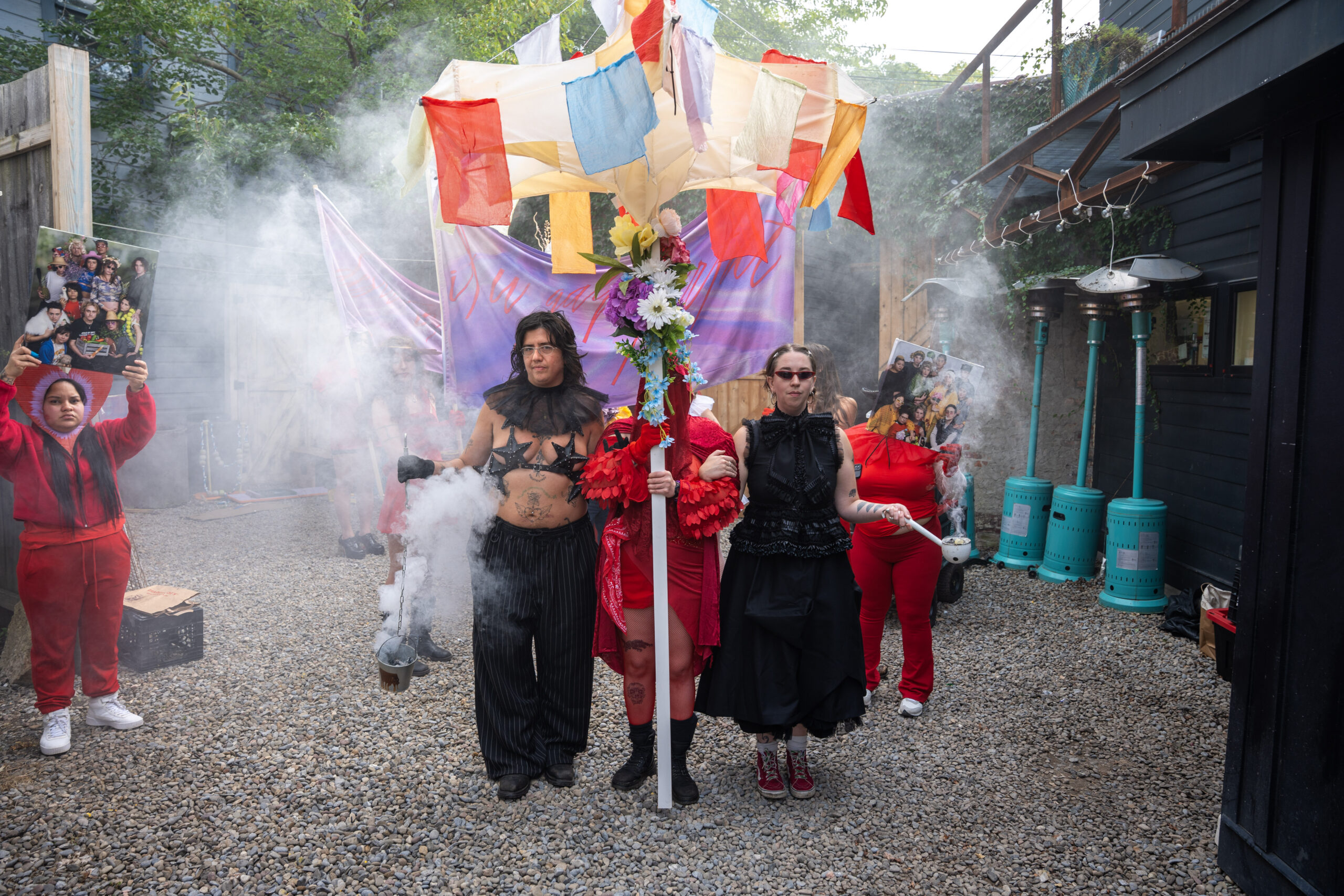
In early October, the restaurant held an end-of-life block party for its community to gather and celebrate its legacy. Lil’ Deb’s Oasis officially closed on October 12, 2026. After its closure, I sat down with its owner, Halo Perez-Gallardo, for a heartfelt conversation about the life of Lil’ Deb’s, its ending, and what might come next.
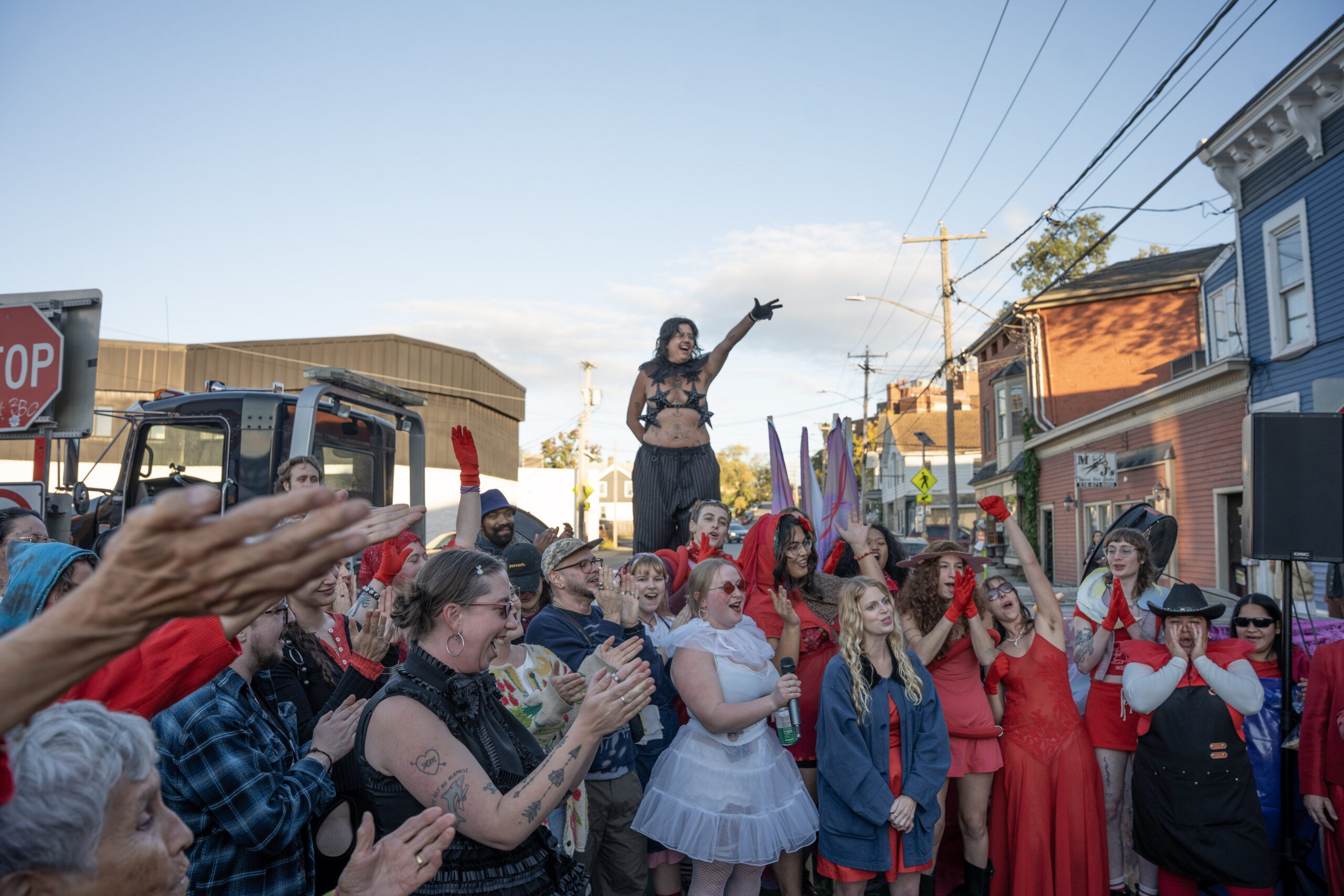
Hana Yoshikawa: Lil’ Deb’s was much more than a restaurant. How would you describe what it was to someone who had never been?
Halo Perez-Gallardo: I feel like the language that gets used the most frequently is that it was a restaurant and community space. It was a community space because it was a restaurant, and I think it functioned as many different things, especially for people who work there and certainly for customers. It was also an art space. I think as soon as it closed, or during the closing, I felt most clear about how it succeeded as a community space. A word that came to mind for a long time was incubator. We tried to provide space to teach people to do something and learn skills, without too much formality. But if I had to pick an idea now, I’d say it is to be the change you wish to see in the world.
HY: It sounds like you were creating the conditions for people to discover things they might not have otherwise had the opportunity to explore.
HPG: I think there was an incubation of self-potential inside the walls of Deb’s that I certainly never planned, but that I think was very much part of our heart.
HY: Speaking of the heart of Lil’ Deb’s, was there a particular dish, tradition, or moment that you think encapsulated the restaurant?
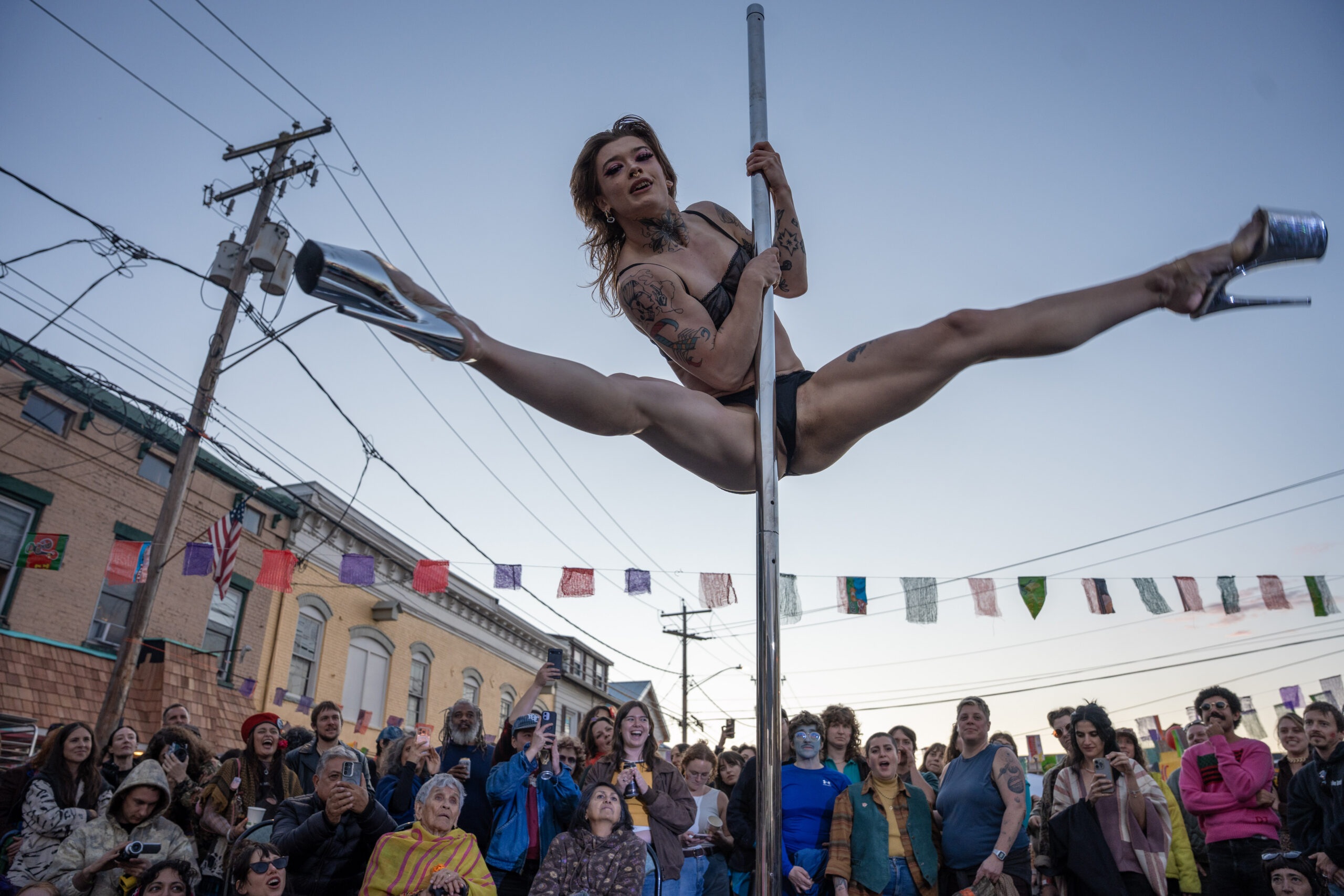
HPG: In 2018, when we started doing Queer Nights because one of my best friends, Alec Campos, started working at Debs, they were like, damn, I wish there was more drag in Hudson. And that one comment was basically the doorway to be like, well, why don’t we just do it here? That became this defining part of our personality as a space. It continued, evolved, and grew into something much bigger than that. The queer nights didn’t stay inside the four walls. We took that to the Rockaways, the city, and California. The phrase we used in our cookbook is, “yes is more, or yes to more.” “Yes” has been our guiding light, and it has led us to beautiful moments where we’ve gotten to experiment with another artist or another cook, or build these relationships.
HY: I definitely feel this, having enjoyed dining at Deb’s. I feel how these relationships were built through so many components—from the decor to the collaboration in events and celebrations. I definitely felt it at the end-of-life party, too.
HPG: I think toward the end, it was really important for me to say thank you by inviting people back into our space. Some of our first line cooks hadn’t cooked at Deb’s in years came back for the final pop-ups. One of our servers from the original team came and served the whole last weekend. So there was a lot of beautiful tying up of—I don’t want to say loose ends, but, yeah, full-circle moments.
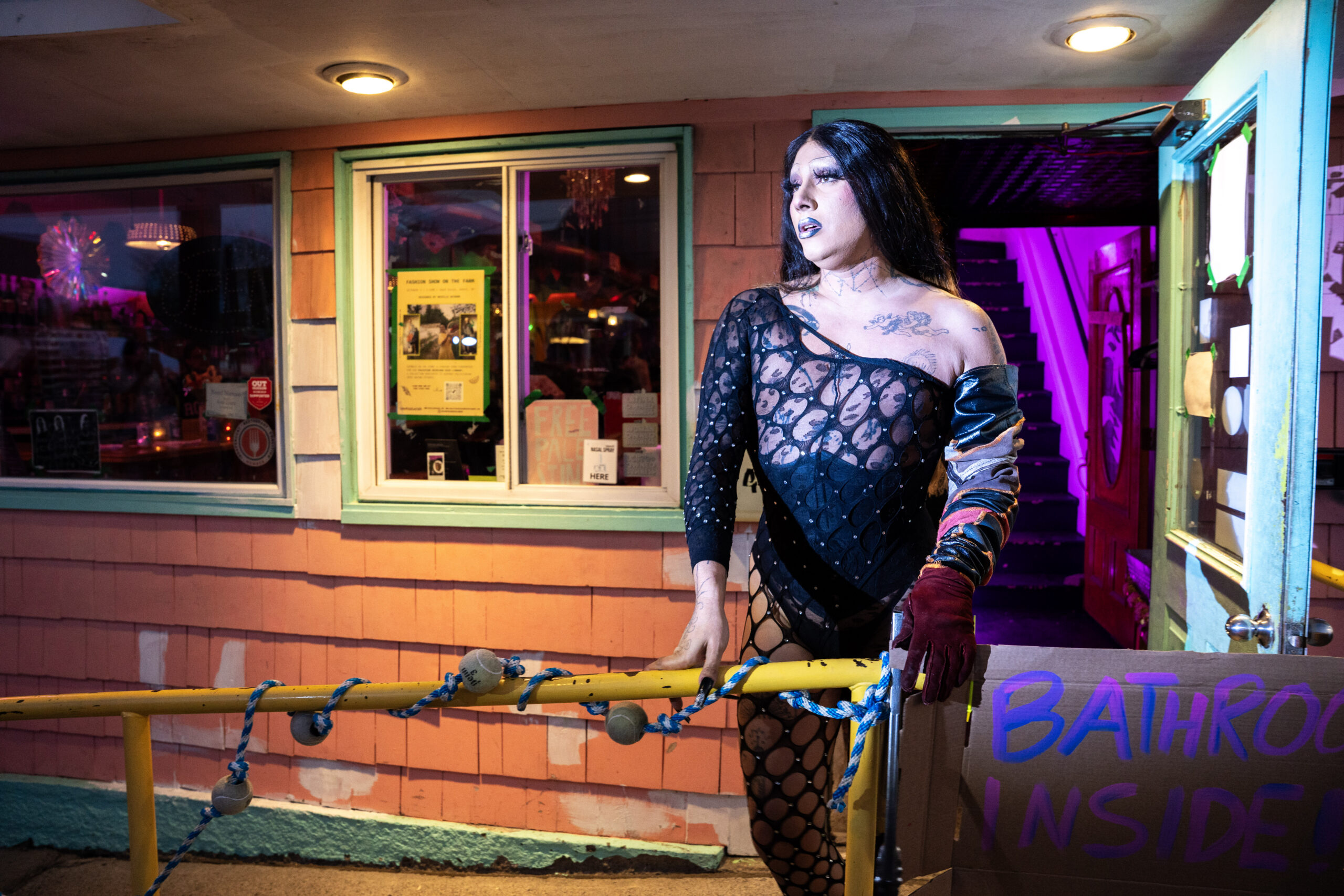
HY: It definitely felt like a full-circle moment. When you first opened Lil’ Deb’s, did you imagine what it would become? And how has that vision evolved through the people who have passed through it and the things that have surprised you along the way?
HPG: When we opened, our goal was to open a place where everyone was welcome. That was our phrase, and it was truly our guiding principle. But beyond wanting to welcome anyone who walked in, very little else guided us. We wanted to open a restaurant, and we didn’t have much big-picture business thinking beyond a smaller intention and desire. I feel really proud that what happened ended up being way beyond our wildest imagination. And I think part of that was possible because inside of the desire to welcome everyone, there was a seed of collaboration that Hannah Black, my original co-founder, and I both really believed in, and that even after her departure, I think has been core to my practice. I somehow attract people with ideas who are deeply creative, excited, and eager to participate. And when I see that someone has a particular skill set, I’m often eager to be like, “Hey, you should do something with that here.” Perhaps the DIY spine of Debs is that belief that everyone’s voice matters and everyone’s hand matters. That’s part of what’s kept it feeling so alive, because so many different hands and so many different voices have entered the space and have contributed.
HY: Totally. I also want to note that the collaborative spirit extended to the way you engaged with the history of the place. When you first opened Lil’ Deb’s, you retained part of the name of the diner that originally stood there, which speaks to how much you’ve cared about the history of the place and the communities that already existed in Hudson. Over the past decade, both Lil’ Deb’s and Hudson have changed so much. I’m curious about how you think your relationship with Hudson has evolved since you first opened?
HPG: Hudson has changed so much, and it’s been pretty heartbreaking to see it happen in real time, especially in the midst of increasing awareness of gentrification, displacement, and class war. That’s happening right in front of us, and it’s also happening in part due to the existence of the restaurant. I think that has been one of the more challenging aspects of being a small business owner in a small town and figuring out how to advocate for the city that I fell in love with, while also acknowledging my own impact in opening a business that ultimately attracted a wave of young queer people to move upstate.
It’s been beautiful to hear people say, “Oh, I moved to Hudson because of Debs,” or “I made all of my friends because of the restaurant.” So, there’s been real surprise and some pride in that. And I also have to think about the other side of it, which is that young artists and queers are some of the people that impact the first wave of gentrification the most. We are certainly not the first wave, but we are part of a wave that has severely changed the city’s demographics.
My relationship with Hudson has changed since moving away. I bought a house in New Lebanon two years ago, which reflects the broader changes in the area. When I first moved to Hudson, a one-bedroom apartment rented for $500, but that is no longer possible. In the restaurant’s early days, nearly all of our staff lived in town and walked to work. Now, around 90% commute 30 minutes or more. Displacement is affecting both generational Black families in Hudson and younger residents who have moved there in the past five to ten years.
HY: I think that’s also interesting to consider in terms of what it takes to sustain a place like Lil’ Deb’s. As Hudson has changed, I imagine the practical realities of running the restaurant have changed, too. How have those changes affected what you’ve been able to do with Lil’ Deb’s, and how you thought about its future?
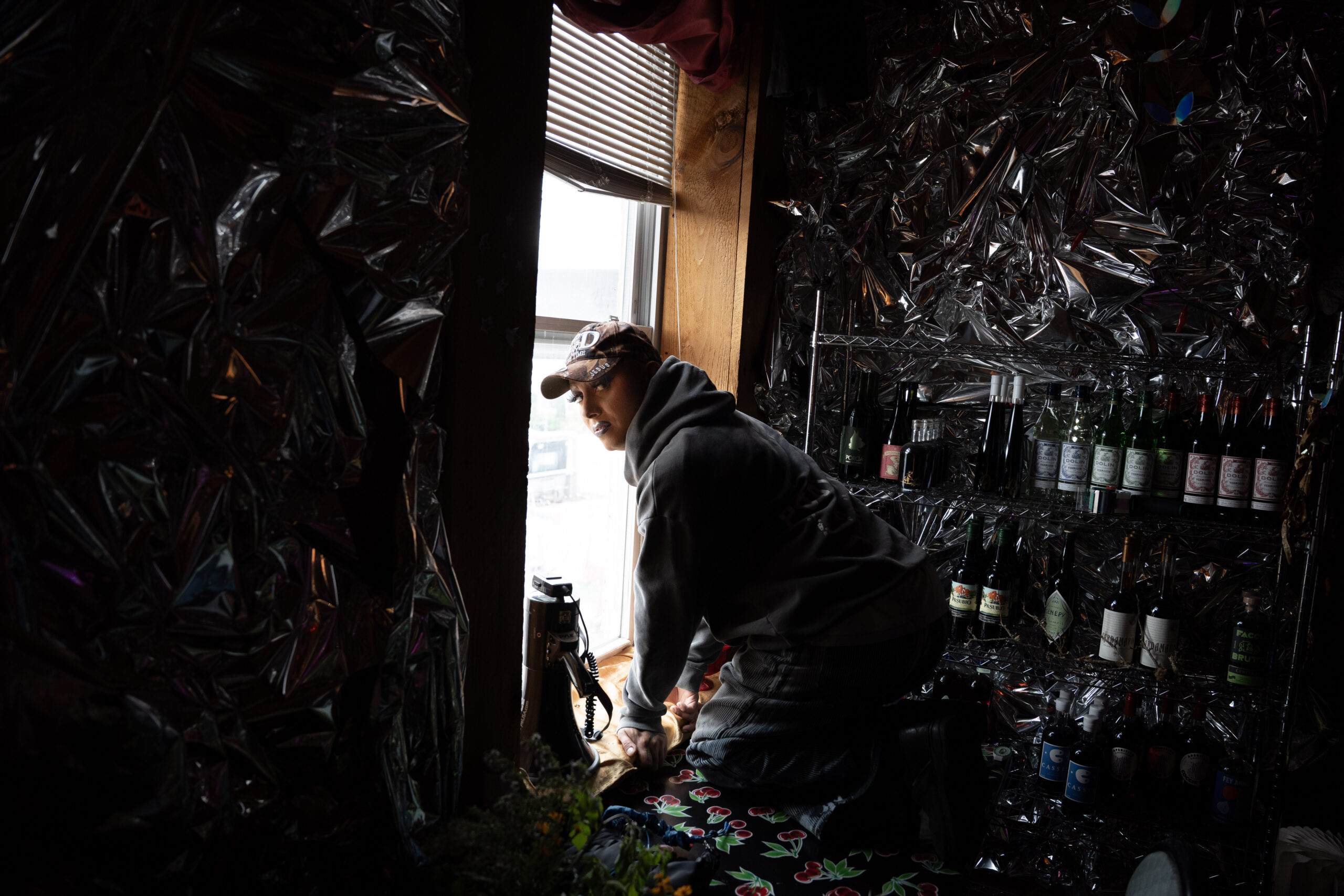
HPG: The material conditions of running a restaurant and getting a community space in the last five years have been increasingly harder, especially if you’re a small business with very little cushion. We opened with no investment. We eventually took out bank loans to renovate, and we took out COVID loans during the pandemic. Beyond that, we had no outside investment, so everything we did to succeed or survive came from us, emotionally, spiritually, and financially. Part of Hudson changing in the last 10 years means that, in 2024, 10 restaurants opened. And that is for a small town of 6,000—it is huge.
The local population can only sustain so many restaurants. If you open 10 more restaurants in a tiny town within a year, you’re relying entirely on tourism to survive. That is unsustainable in a seasonal town that is basically busiest six months out of the year, max, but I would say five. Then the other six months of the year, you’re really just making ends meet. These material conditions make it very hard to operate the business that I started five years ago. But under the material call was the spiritual, metaphysical one: does this shoe still fit? Do I still feel as devoted to this project as I did before? And what happens when the leader of that project is no longer as dedicated? I started really thinking, like, okay, can it shift? I don’t need it to be about me. Can I sell it to the staff as a co-op? What alternative models decentralize me, my mind, my body? And then again, the material came into play, with my landlord selling the property and all of that.
HY: I imagine that’s been a lot to think through, especially after having devoted so much of yourself to Lil’ Deb’s over the years. I know you’d been thinking about stepping away even before the closure came about. Now that you’re at this point, what are you looking forward to having a little more space for in your life?
HPG: Before the restaurant, I studied studio art at Bard. I mainly focused on installation and performance. Then I wound up cooking right after college. That led me to jump into food. Then I jumped out of food and was like, I am abandoning my art practice. I need to go back to that.
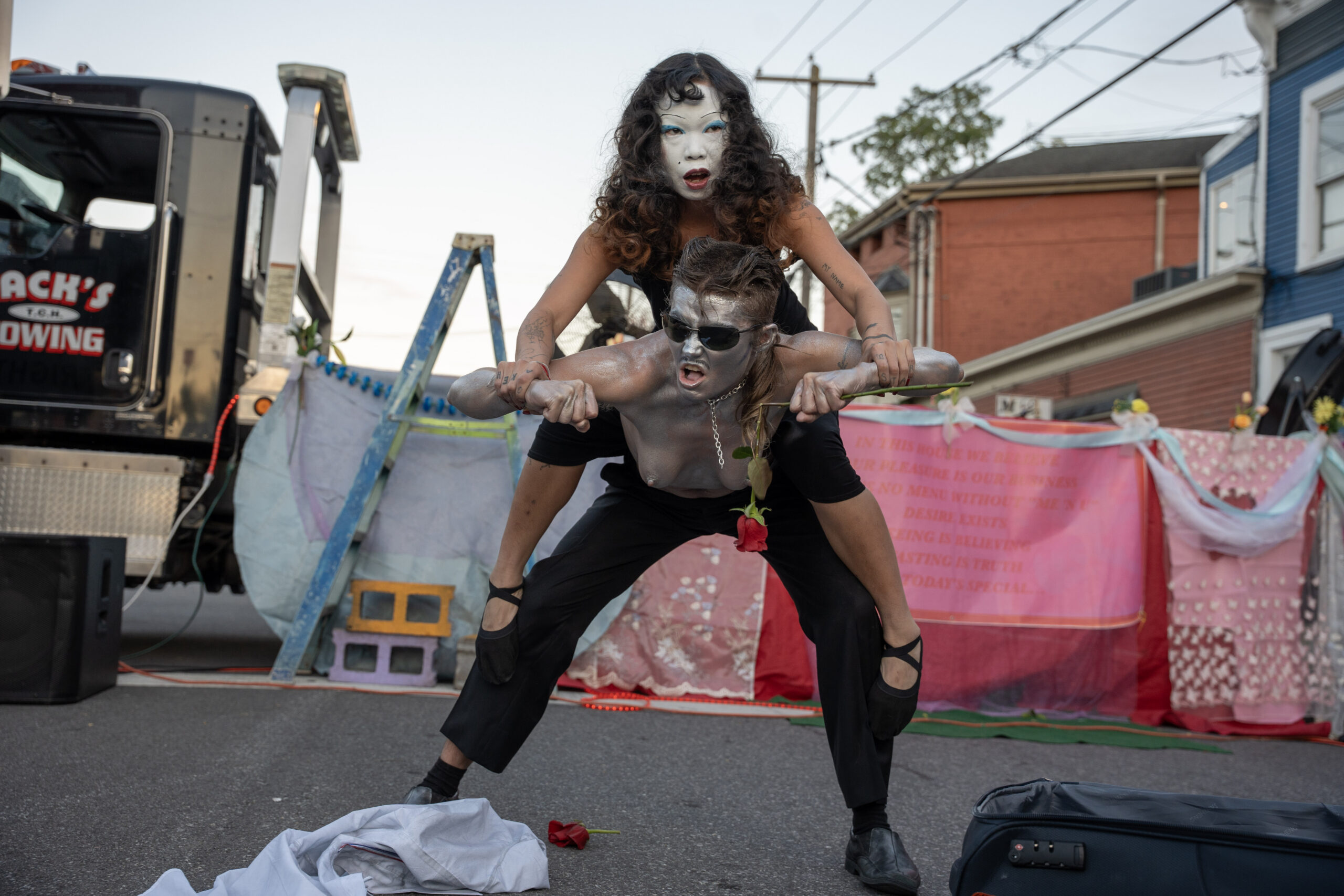
In 2023, I started doing this at a performance school with Monica Mirabile and Colin Self, both artists and performers. They had the idea to start a performance school together and invited me to facilitate. The three of us co-directed this project, and I think it opened a door for me, letting me look at parts of myself I had abandoned when I gave all of myself to the restaurant. I think opening that door and remembering, whoa, there’s this hungry part of me that I need to feed. And how can I do that inside of this enormous beast of my own creation, which is the restaurant? I tried to do that while I still had one hand holding on to the restaurant. It was kind of a lot to juggle.
And then I think deciding to step away, deciding to let go of the project, passing it on to my staff, having the landlord decide to sell the building—all of it felt like all of that. I tried to take control by selling it, right? Then everything that followed felt so out of my control. And I think that’s when I really just had to look at the conditions and say, it’s time to let it go and give myself permission to let it go, even if I had another vision in which it lived without me.
HY: That must have felt difficult but relieving.
HPG: Yeah. Those kinds of moments of acceptance, and I think then putting into action this extended funeral rite for the restaurant, which was all a performance. All of that has kind of led me to this moment where I’m like, oh my God, I feel like I’m actually getting a clear understanding of what I need to do in the next few years. So my intentions are basically to get my death certificate, go back to school, and do my MFA. I’m definitely hungry to learn again.
HY: How exciting. It’s lovely to hear that you’re embracing this hunger to learn again.
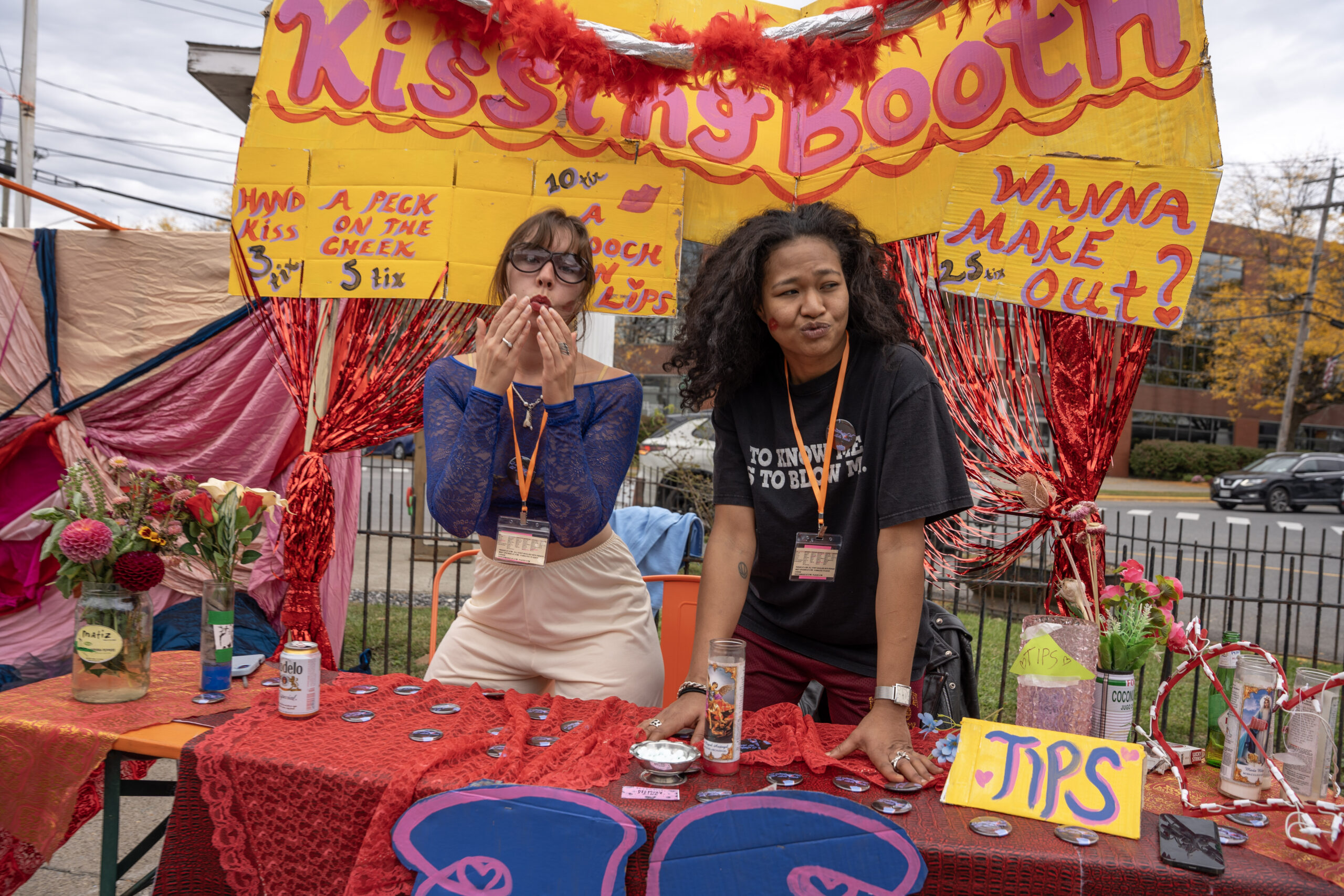
HPG: I’ve been a boss since I was 28. I’ve been responsible for a lot since then. I want to go to class, do my homework, and read. I want to be a sponge again. And then my plan is to probably open some queer funeral homes in the next five years because I feel like we are going to need a lot more support from each other. We need to lean on each other on how to grieve and how to die, to be honest. One of my first performance pieces was called A Funeral for Myself. And I just think that there’s maybe been a deeper thread of this work living inside me than I was able to recognize. This turning point with the restaurant has put me back on that path.
HY: It’s interesting that you’re talking about this ending as something that’s brought you back to your own practice. In a way, it sounds like Lil’ Deb’s is changing forms, becoming something different rather than simply disappearing. And so much of what it was came from the people who were part of it. I’m curious what you think will stay with them, and what you hope people carry with them from their time there.
HPG: One way we’re thinking about how Lil’ Deb’s will live on is through a project we created in preparation for its closure: a phone line where people can call and leave a memory. It’s called the Memory Line. You can call to share a memory, or press two to listen to someone else’s. This memory line felt important to me because the force of nature that this project has been is collective. So it’s hard for me to imagine distilling that into a single thing that makes sense to me. So much of it has been outside of me.
Maybe imagery-wise, the butterfly has always been really potent. We never looked the same; the menu was never the same. And there’s this beautiful narrative contained inside of the lifespan of a butterfly, and the glory and the mess of emerging from the cocoon and learning how to fly and then starting all of that over again. That feels true for both how Debs existed and, in a way, how I feel in its dying. Death is simultaneously both this extremely life-altering experience when someone we love dies; it alters us forever, and it is also absolutely mundane. I think as a culture, we’re really divorced from that, from knowing how to deal with that.
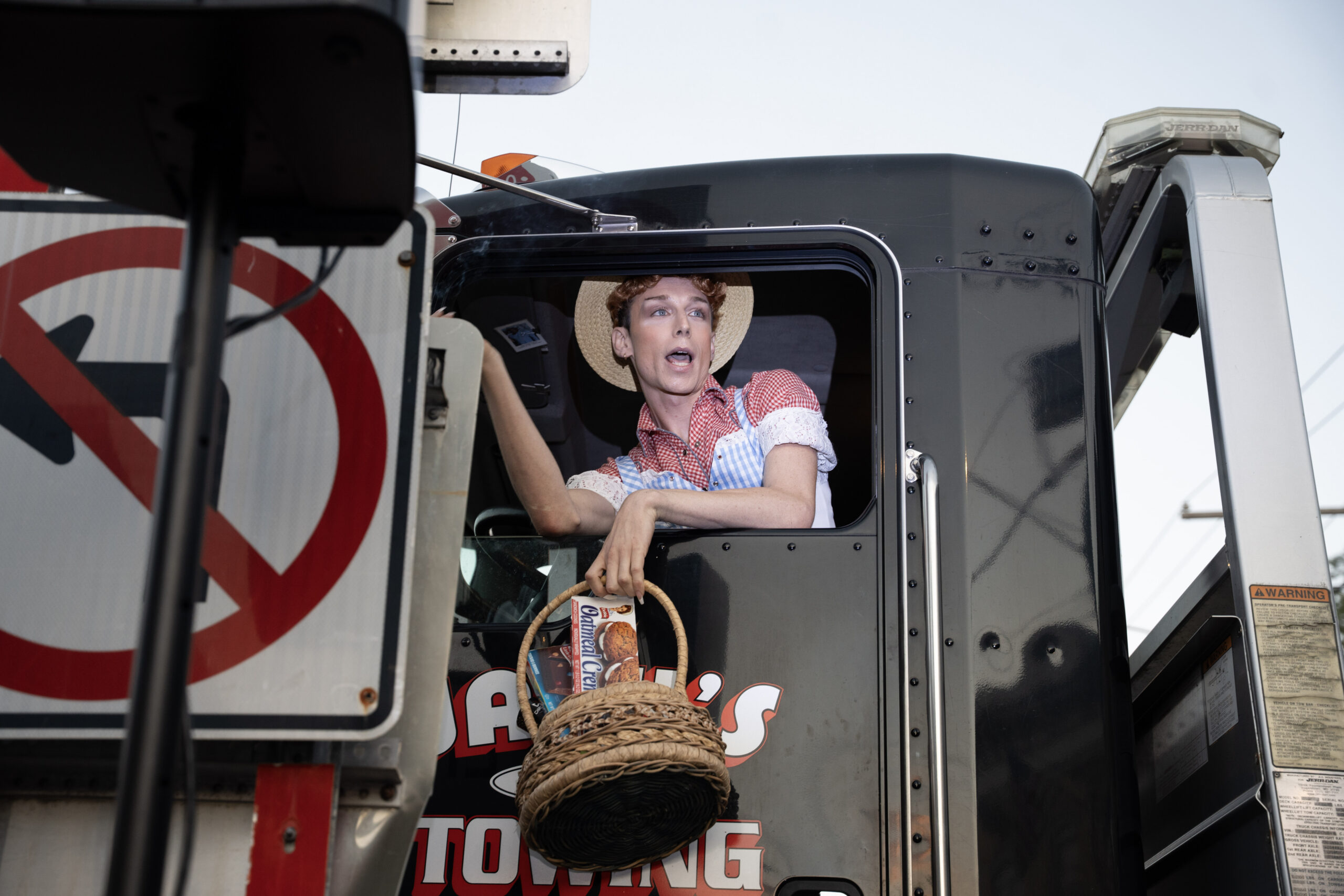
HY: Absolutely. And, I’m curious how you’ve experienced this duality of death personally. Has there been a particular moment during the closure, or something in the process of saying goodbye, that has made those seemingly contradictory feelings especially tangible for you?
HPG: I think because I was kind of the conductor of this funeral, from beginning to end, planning it, producing it, executing it, leading the charge on the hand-painted signs, it is very hard for me to experience feelings when I am the director. I feel like my feelings will probably catch me later, or they have been moving through me in the alchemy of the process. I think the feeling has been, I’m not alone. There’s been a lot of fear. I think part of the end for me has been the beauty of feeling held by it, and the beauty of feeling that, even though many people voiced grief, they were also willing to let it go alongside me.
I’ve been able to see, in real time, the impact of my work and how something I’ve brought into the world has made other people feel.
HY: It’s so special and rare to experience the impact of the work you do.
HPG: It’s been a gift to me, because through this project’s death, I’ve been able to see myself more clearly and recognize my own power in a new light. It’s given me the opportunity to leave this chapter with even more confidence.
HY: Is there anything else you’d like to share, or anything you’d like to leave people with as Lil’ Deb’s comes to a close?
HPG: I think that one of my hopes is that when people look back on this, they are able to see it as more than just a restaurant. I think I’m finally able to look at it for myself and really know that and really understand it as part of my art practice. Even though there are so many interviews where we’ve been like, “Yes, the kitchen is the studio, and this is my practice now”, the feeling of truth of that living inside me has been a harder thing to own. And that has been such a gift is to say: these 10 years, this has been my practice. It’s a social practice, it’s a food practice, it’s an installation and performance practice. My hope is that when some alien civilization discovers humanity’s remains, and in some time capsule, there’s a glimpse of Deb’s existence, that there’s an acknowledgment there that it was something beyond just a place for people to come and eat together—it was a place for people to be eggs, to birth themselves. To die many times and to come back to life again.
HY: I think also, clearly it was about love, too.
HPG: Oh, yeah, for sure. For sure. Love above all things.
Written by Hana Yoshikawa.