

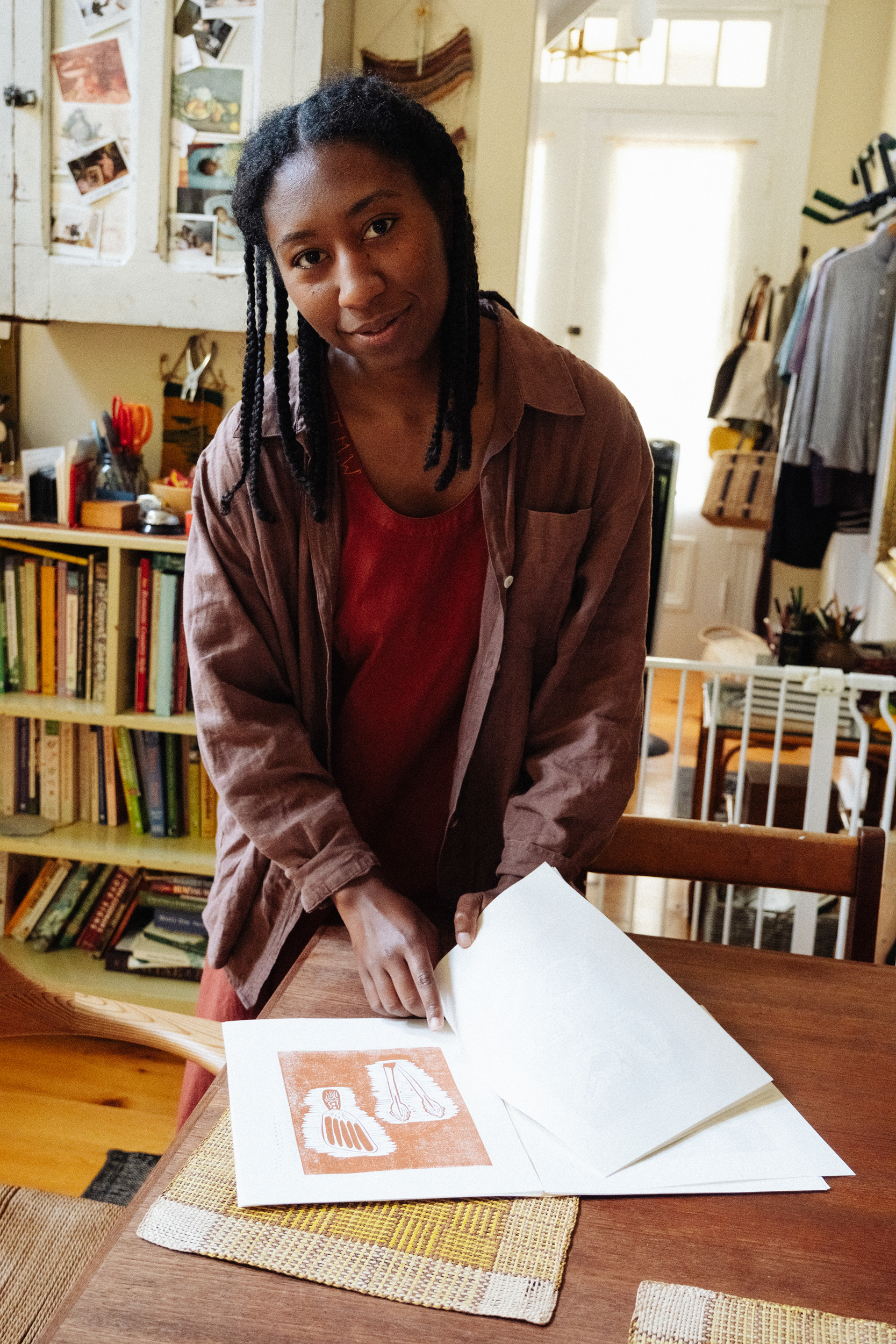
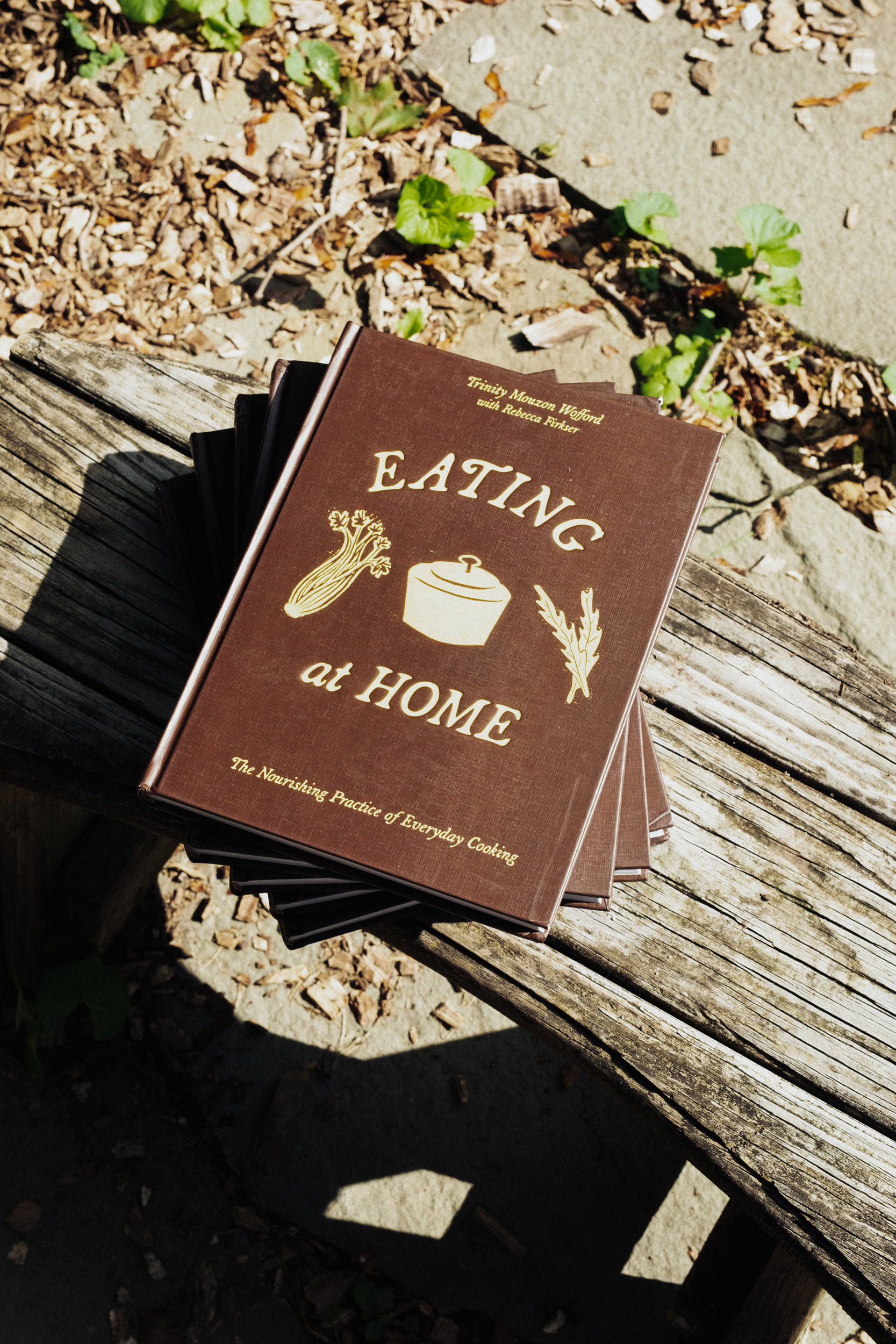
When Trinity Mouzon Wofford was building the wellness brand Golde with her husband, their weekly grocery budget was $40. Learning to make that money stretch has shaped Trinity’s approach to cooking, a practice as devoted to resourcefulness as it is to pleasure. Below, Trinity speaks to Emily Burke about her debut cookery book Eating at Home: The Nourishing Practice of Everyday Cooking. Photography by Christian DeFonte.
EB: You’re playing a few different roles at the minute. Entrepreneur, writer and home cook. Which of those feels closest to how you see yourself?
TMW: It’s an interesting question because that title has been moving around a little bit in the past few years, especially in this transition from first and foremost being founder and CEO of a brand to this journey with the book. I welcome the title of writer and home cook, but I do feel most solidly like an entrepreneur. I think that is the perspective that I take to any project that’s in front of me: how can I take this thing and build my own world around it? Which is what I think entrepreneurship is, ultimately: a celebration.
EB: How do you think the book fits into that?
TMW: The book started out with a literary agent reaching out to me, saying that she’d heard about my work with Golde and was wondering if I’d ever explored writing a cookbook. I was very hesitant when we first got connected because I had this feeling of, well, I’m not a chef. I’m very much in the weeds with my own business. And I say I’m not a chef in the sense that I’m a very proud home cook. Those are my grounds for food and how I think about it, not so much restaurants, et cetera.But as I continued to walk myself through the process of writing a proposal, then actually working on the manuscript and putting together the creative team, I found that making that book also felt like a real entrepreneurial journey. I was really trying to figure out: what is it that I want to say within the context of a collection of recipes? How do I want that to feel? What do I want people to feel? What do I want the reader who’s engaging with the material to feel is sort of whispering to them through the pages? So I did feel very entrepreneurial.
EB: What do you hope that whisper is telling people?
TMW: I hope that whisper is the possibility of loveliness in the everyday. Mundane things, like cooking. And that that’s not so much a consolation prize for things not being more exciting and dreamlike, but that it’s actually the pathway to feeling really alive in our own day-to-day lives. Being present in something as simple as your grocery shopping, or preparing a meal, or sitting down to eat it with someone that you love- ideally, those things are opportunities to embrace beauty and presence.
I think oftentimes we feel like those are things that we only earn after we work hard enough, and that we can go and achieve them on vacation somewhere far away, but that they don’t live in our day-to-day lives. Truly, more than any recipe, although the recipes are great, I would like for people to understand that sense of possibility.
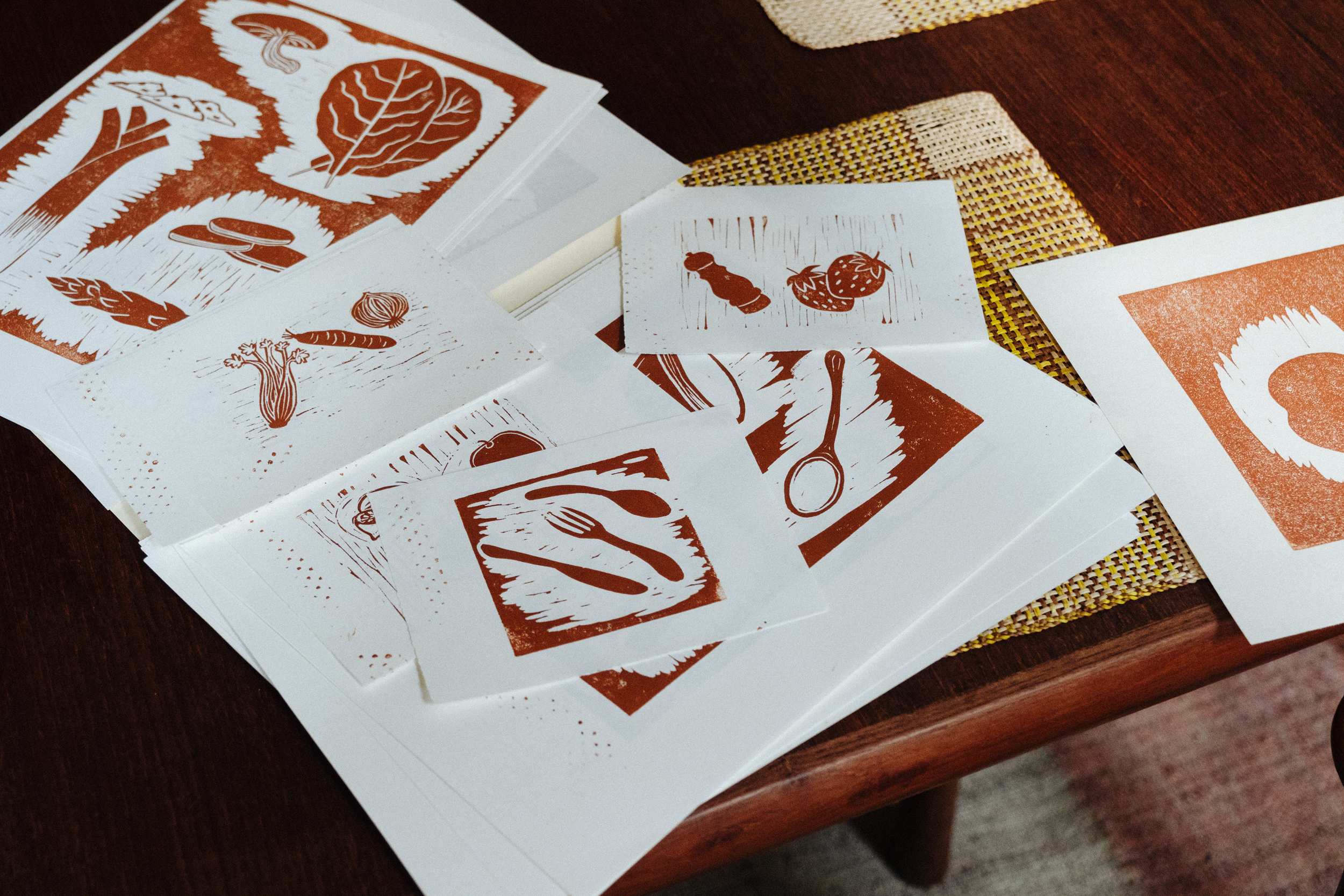
EB: I am interested in your relationship with money. In most cookery books, a certain level of wealth feels assumed, whereas you go out of your way to ensure that most of your recipes are affordable.
TMW: My cooking journey is very much rooted in a time when I didn’t have a lot of dollars to go around. In the early stages of building Golde, my very first business, my husband and I were pulling out $40 US dollars a week for groceries, which was very limited. I don’t think you could do that now, ten years later, but let’s say double that for inflation, and you’re still talking about a very limited scope.
I actually found that, rather than going to the grocery store and trying to live off all of these semi-prepared foods, I could go to the Union Square Greenmarket. A lot of the farms that are upstate come in there, and as I gained some fluency in how to shop a greenmarket, I could get a better deal on more beautiful, nutritious food than I could ever find at a supermarket. But the big trick that I had to come to realise was that you’re looking for what I call the hard-working produce. You’re looking for potatoes and turnips and leafy greens. You sort of have to look at those beautiful blueberries and strawberries and the more artisanal items and say, “Okay, maybe that’s a little add-on, but that’s not what I’m here for.”
Also, as you build relationships with those growers, you may find a bulk bag you can grab. There’s a lot that can come out of getting a little bit closer to your supply chain, whereas there’s certainly no flexibility or negotiation or relationship-based anything when you’re picking something up off the shelf of a supermarket. I think that, in general, we tend to look at a localised food system as this luxury status symbol, something that you can only afford once you have toiled hard enough. I think that is, unfortunately, a bit of a misunderstanding. Sometimes things that are grown locally do cost more, but for the most part I’ve found that I actually save money overall by getting things from a less complex supply chain than things getting shipped in from Brazil and sent through a distributor. It’s a big machine that you’re paying for.
EB: There’s such a range of food in the book, which feels like a very welcome change from a lot of the more restrictive approaches to wellness that we see.
TMW: The wellness side of food, to me, is first and foremost eating and cooking with some attention. Generally speaking, if we’re doing that, we’re already doing something that is inherently nourishing us. The next step is to do our very best to try to get more things from closer by. I don’t make so much of a fuss about organic or not because there’s so much nuance in there. At the end of the day, what I’ve realised is that unless you literally step foot onto the farm that grew the thing, you don’t quite know exactly what the practices are.
Honestly, a lot of what’s called industrial organic, which you’ll find at a big supermarket, just costs more, but it still deals with a lot of the issues of an industrialised food system. You’re talking about a specific breed of tomato that has been hardwired over time to last very long on a shelf and maybe be very shiny. But that means that it’s not being bred for flavour. It’s not being bred for nutrients. The other crazy thing about the nutritional piece is that a lot of nutrients disappear very quickly after produce is picked. If you’re getting a bag of spinach and you feel like you’re doing the right thing by getting spinach, that spinach is two weeks old because it had to travel through all of the supply chains just to get to you. By the time you get it home and cook it, you’re not getting as many nutrients out of it as if you had just gotten something that was more freshly picked.
So I think the local thing, to the extent that you can do it, is really a game changer. It takes a lot of the, “Well, I don’t know, am I supposed to be gluten-free?” out of it. I think there’s a lot of confusing marketing speak being funnelled through the wellness industry to keep us jumping from one brand to another and never really feeling sure of what we’re supposed to be eating. So my big thing is: number one, sit down to eat and be present, and be present in the cooking process as much as you can. Eat locally. From there, there are little habits that I’ve built out over the years. I really like to bake, but I don’t like complicated projects for the most part. I like things that are very simple and can come together in a few minutes from things I probably already have in my pantry. For example, there’s a recipe in there for a sweet potato loaf. It’s just one sweet potato, flour, maple syrup, which is very common to have here, and olive oil. It just bakes in a loaf tin. It comes together really easily.
It’s not overloaded with sugar because that’s not my taste. I find that the more you’re cooking for yourself, especially baking, the more you look at it and you’re like, “Oh my God, I don’t think this needs three cups of sugar. I think we could do one and a half.” You try it and you find, “Oh, that’s actually really nice.” It doesn’t have to be so intense. We have little treats around the house all the time, but I would say that, in general, I don’t have such a moralistic relationship to those things because I made them and I know what’s in them. Every time I eat one, I’m not calculating in my head what I need to do to burn it off.
EB: I think that really stands out in the book, just understanding what you’re working with and how it all comes together. Has your attitude to cooking changed since having children?
TMW: I think my attitude to cooking has further solidified. A lot of the things that I already really love to do, like baking, have taken on something else. There’s a book that my husband reads to my daughters every night that I didn’t grow up with, called In the Night Kitchen by Maurice Sendak. It’s a story about a kid who wakes up in the night and dreams that he goes to the night kitchen, where there are bakers baking bread.
I noticed that Issey and I, in part because we were finalising recipe testing for the book, were sometimes baking something at night after the girls were asleep. Ruby, my elder daughter, started asking when she woke up in the morning, “Was the night kitchen open?” There’s this sense of, I don’t know, there’s such a wonderful thing to be participating in here, which is somebody’s childhood. All of those little routines that you build are very important for kids, and it’s nice to be sort of swept up in the magic of it all.
EB: That’s really wonderful. I’m sure you have a really full-on schedule. Does cooking ever feel like a chore to you, like something you have to do?
TMW: Oh my God. I mean, this is such a human thing. I don’t write the book from a place of, “And now that I’ve sorted it all out, I’m here to teach you so that you never feel the need to rush again.” There were so many times in the process of writing the book when I would feel the urge to rush through lunch because I needed to get back to writing a book about stopping, about taking a moment. It’s very real. I think more so what I’ve learned to do, as I’ve cemented this into a philosophy, is to notice when I go there and to have a little bit of a sense of humour and a little levity about it, versus condemning myself or following the urge.
It’s this funny thing that we’re always up against, especially in this era. We’ve never been more collectively overwhelmed by the amount of communication, the amount of things on our to-do lists. It’s almost not at a human scale anymore. It’s perfectly rational, really, that our minds and our bodies are trying to figure out how to make it work. So then we’re positioning ourselves towards, “Well, we just have to get everything over with so we can get back to the next thing we have to do.”
EB: You talk about this idea of taking a pause outside of cooking. What are some of the things that bring you a moment of reflection outside of the kitchen?
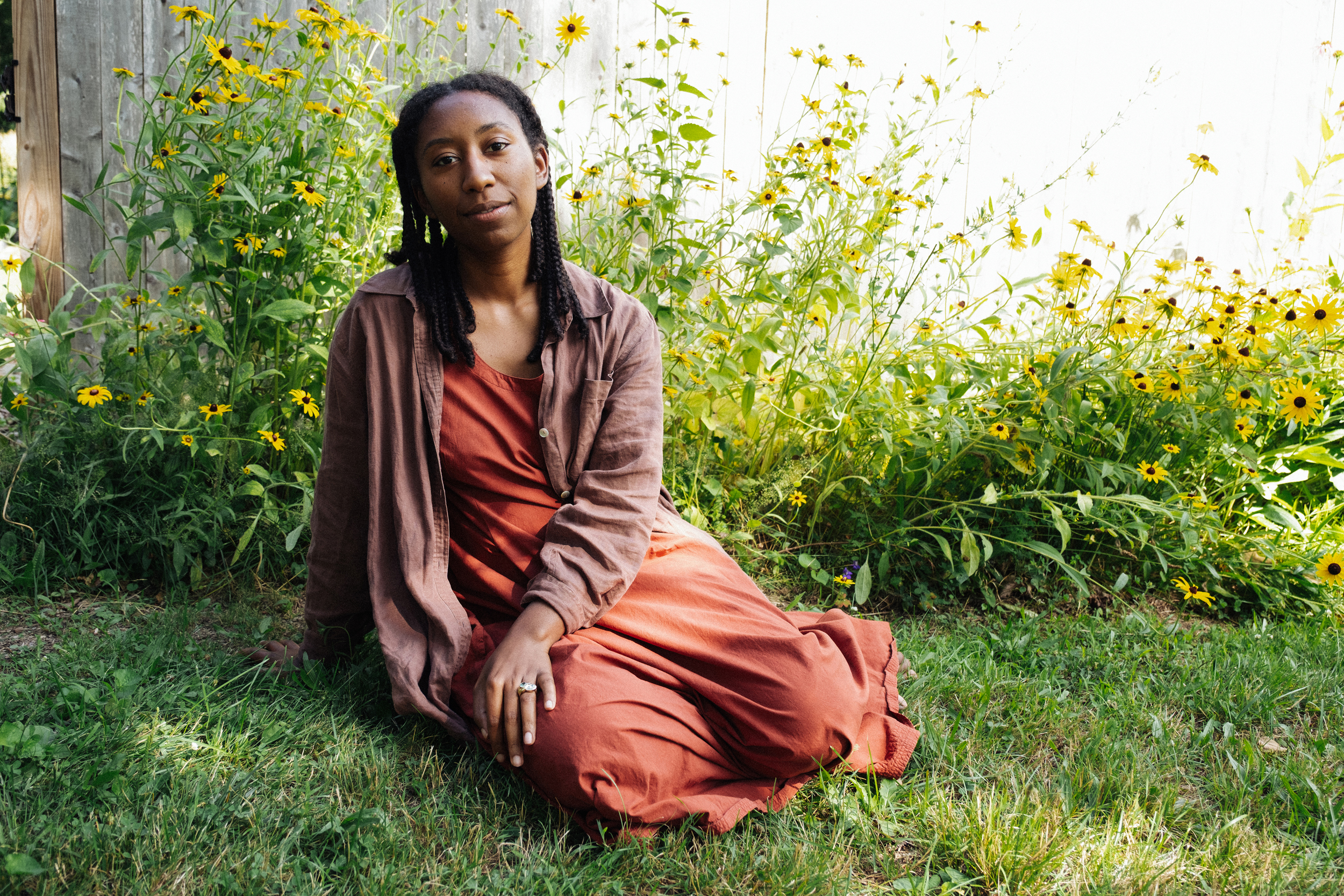
TMW: I love to be outside, and I am an avid gardener. I have at least as many failures as successes, but I find that even that process is very cathartic and important. I like having a practice that involves the necessity of failure. Every season, there are going to be at least five things that completely don’t work, or a rabbit gets into the garden and, even though it was going great, it’s destroyed. The scale of it is so trivial. I have the privilege of knowing that when I grow my green beans, if they die, I don’t starve. So it’s this wonderful opportunity for me to tap into that sense of doing my best and feeling the artistry and aesthetic process of it, but also having to let go.
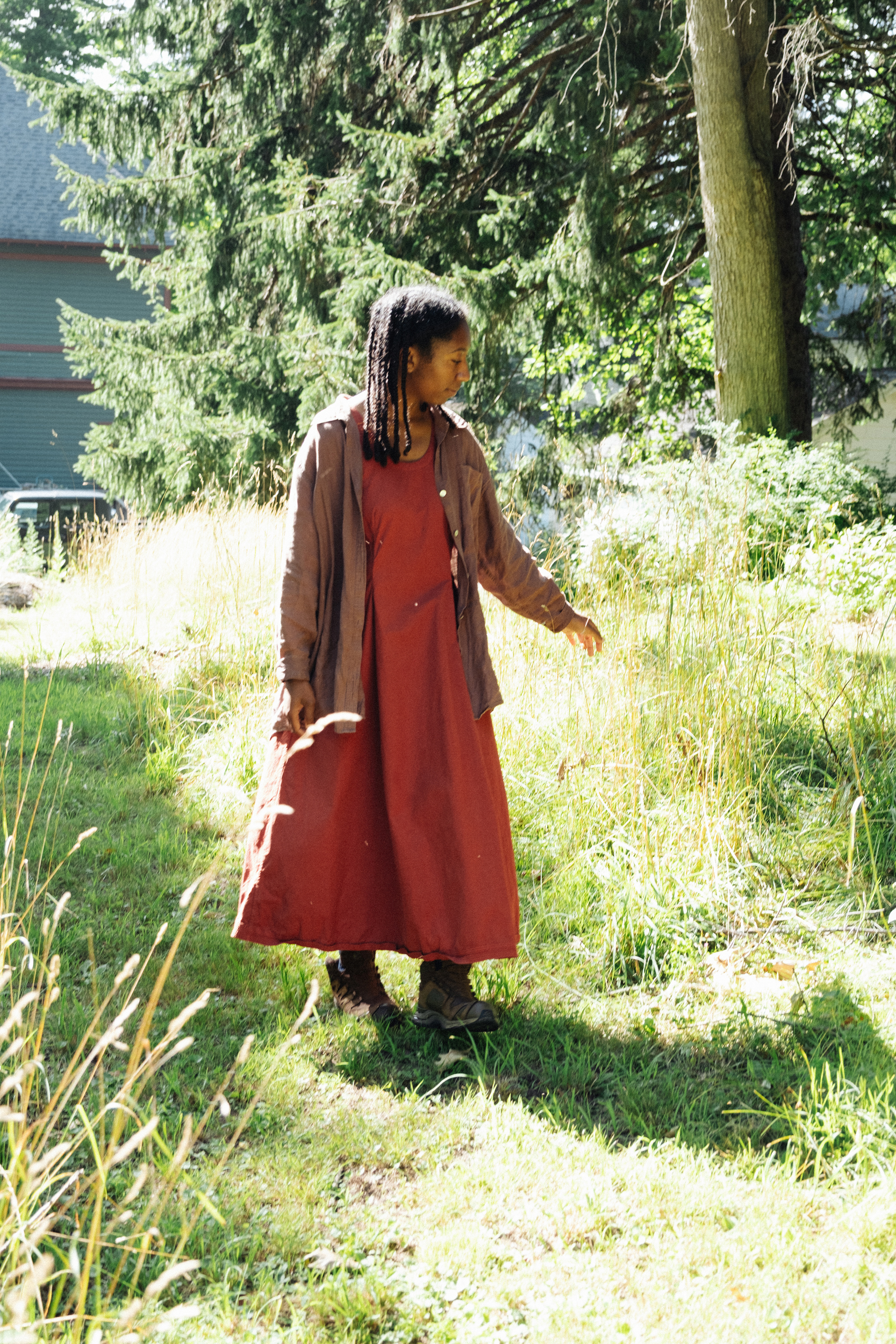
The other thing I try to do every morning, if I can, is sneak out of the house before the kids are up and take a walk. It’s like a walk around the block before the whole day sets in, because between family and work, there are so many responsibilities. If I can just get out and do one very small thing intentionally for me, then by the time I get back to the house, I feel a lot better resourced to deal with whatever is coming.
EB: In terms of how the book has been received, has anyone said anything that has really stayed with you?
TMW: It felt like a fairy tale. In the months leading up to the book coming out, I was really apprehensive about how it would be received. I planned this whole tour through the spring, which ended up being phenomenal, but before we went out, I was also mentally preparing myself for what I would do when nobody showed up. I had this vision that it was going to be my dad and three spiders in the corner, and I was going to have to apologise to the bookstore owner and figure out how I was going to pull that off. So I really had this sense of the worst-case scenario, and it ended up being so beautiful.
One of the loveliest things I heard was from a few really great independent bookstores that I ended up in touch with, who were telling me that the book was one of their number one, if not their best-selling, books. These were stores whose perspectives I really admired and whose customer bases made me think, “These are places where I would really love to find my new favourite book.” Hearing that the book was so well received there was really gorgeous.
I also had at least one woman come up to me on the book tour. I was telling my story of how I grew up. I was raised by a single mom, and so food- the idea of sitting down at the table and having this more formal experience- was not how I grew up. I think I grew up craving that and then created it in my own life. She came up to me and said, “I’m raising my daughter as a single parent, and listening to what you had to say and getting the book, it’s really inspired me to continue to be really present in the process.” That felt very beautiful to me because it felt very full circle. We can all come from our different circumstances here and find something that sticks. We can all find a path to create a little extra loveliness and presence in daily life, no matter what is being served up to us.
EB: Have you been cooking new recipes since finishing the book? And has your relationship with cooking changed since writing it?
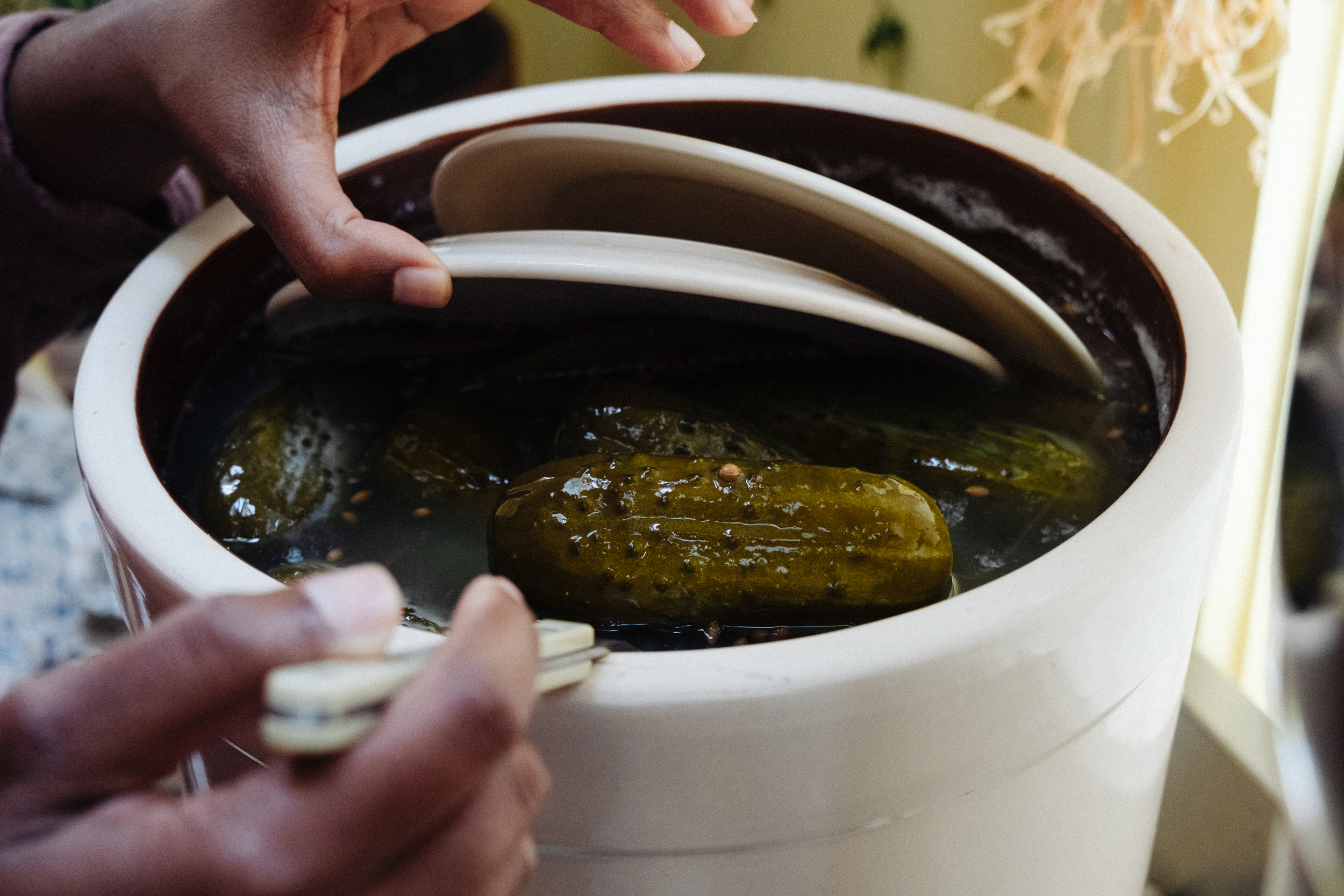
TMW: It’s great now because sometimes we’re cooking something straight out of the book, but oftentimes mine and Issey’s cooking process is very iterative. There’s a seasonal farm stand that we drive by, and I told Issey to stop the other day. We ended up buying a very large bucket of cucumbers for pickling, so now there’s a pickling project happening.
They asked him, “Do you really want all of these cucumbers?” And he said, “Yeah, we made our own pickles last year, but we’ve been rationing them because it was one jar.” God forbid anybody in the family wanted a pickle. We had to sort of have it in writing why you deserved it. I like the cooking to feel playful.
At this time of year, with the heat, it’s a lot of: what doesn’t require a lot of cooking, can be put on a plate with a little olive oil and salt, and we can call it dinner?