

The Six Best is a monthly column where Rose Florence Anderson of The Rose Period gives an edit of the most happening shows in New York. Each edition covers the shows worth seeing and the special, unusual, and little-known stories behind them – written for the curious (not the credentialed). There’s no inside art jargon here. This column is sponsored by Showrunner, the most comprehensive guide to art in New York and Los Angeles, and Elephant, a global art publication specialising in artist-led coverage. See the full list of exhibitions on Showrunner.
Last week I took the train uptown, changed into my Manolos, and headed up the famous Fifth Avenue steps to the show I’ve been waiting all year for: Krasner and Pollock at the Met. For the first time, the Met has given art history’s most famous husband-and-wife pair a major show together, and I could have lost myself for HOURS in it.
November is when the museum crowd shows UP. It’s the month New York’s museums open the shows they’ve spent years planning – and this year, almost all of them opened within the same few weeks. Pollock. Lichtenstein. Cézanne. Consider your weekend plans solved.
I’m Rose, author of The Rose Period, a newsletter about the special, the unusual, and the slightly unexpected stories from the art world that you should know. Here are the six best museum shows to see this November, and exactly when to see them for nothing.
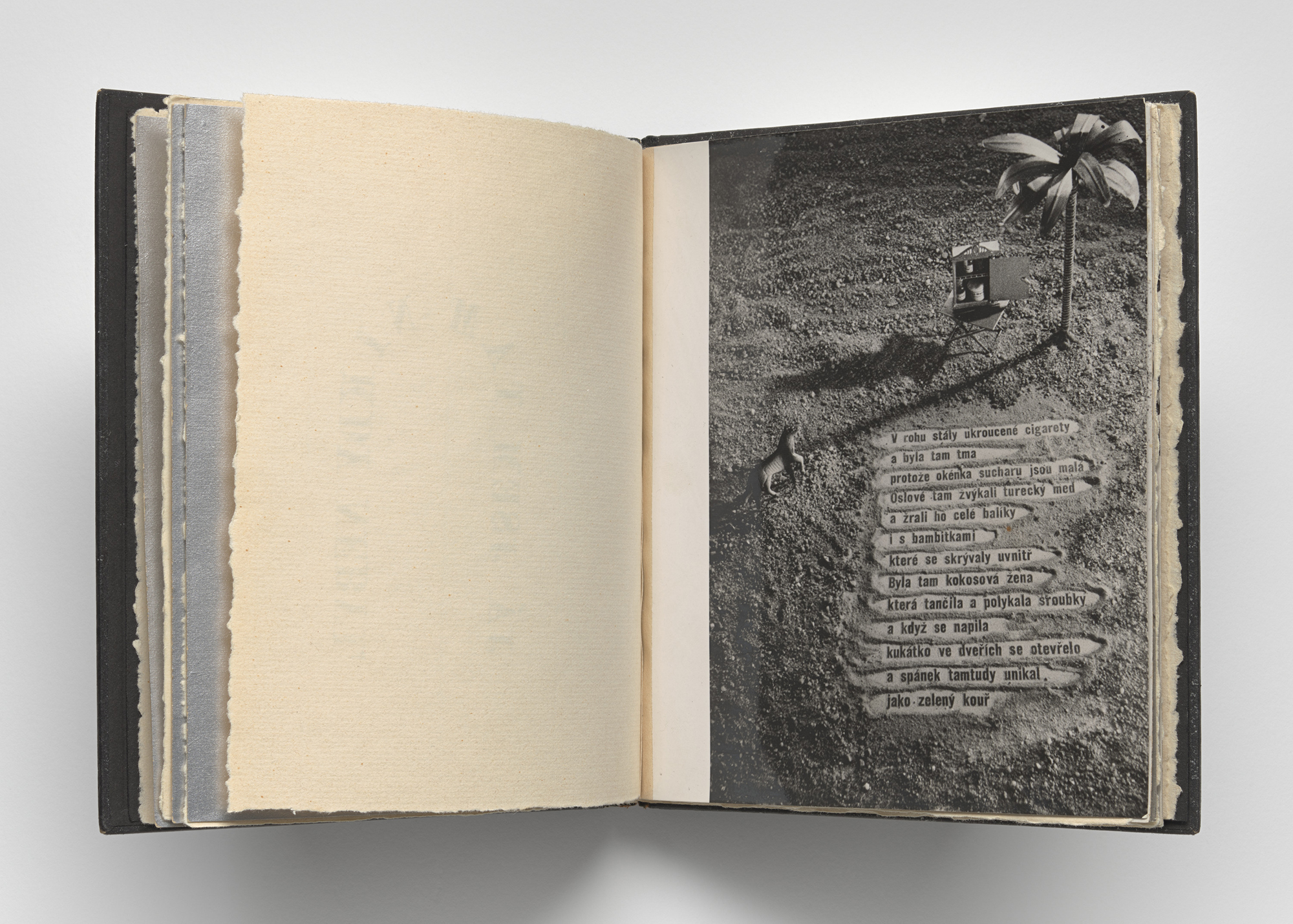
1. The Surrealist Book at MoMA (on view until 23 January 2027)
Free: Friday evenings for New York State residents.
Surrealists loved a book, but not for reading. They treated them like little artworks in their own right: cutting them up, collaging them, and stuffing them with treasure troves of eclectic objects.
We’re talking a book bound with actual shards of shattered glass. André Breton’s own annotated copy of the Surrealist Manifesto. The Surrealists filled books with photomontages, fantastical creatures, feathers, playing cards, and a dried seahorse.
They didn’t see this as a library, of course, but as doors to other worlds. Open them, and you’re “immediately thrown into a higher realm.” You can enter that higher realm at the MoMA until early next year.
The IYKYK: Keep an eye out for the Surrealist ladies. Claude Cahun made books with her lifelong partner slash bestie Marcel Moore. Czech Surrealist artist Toyen renamed herself from the word citoyen – French for “citizen” – so no one could tell her gender from it. During the Nazi occupation of Prague, she hid Jewish Surrealist poet Jindřich Heisler in her apartment after he was ordered to be deported (they made books together, too!).
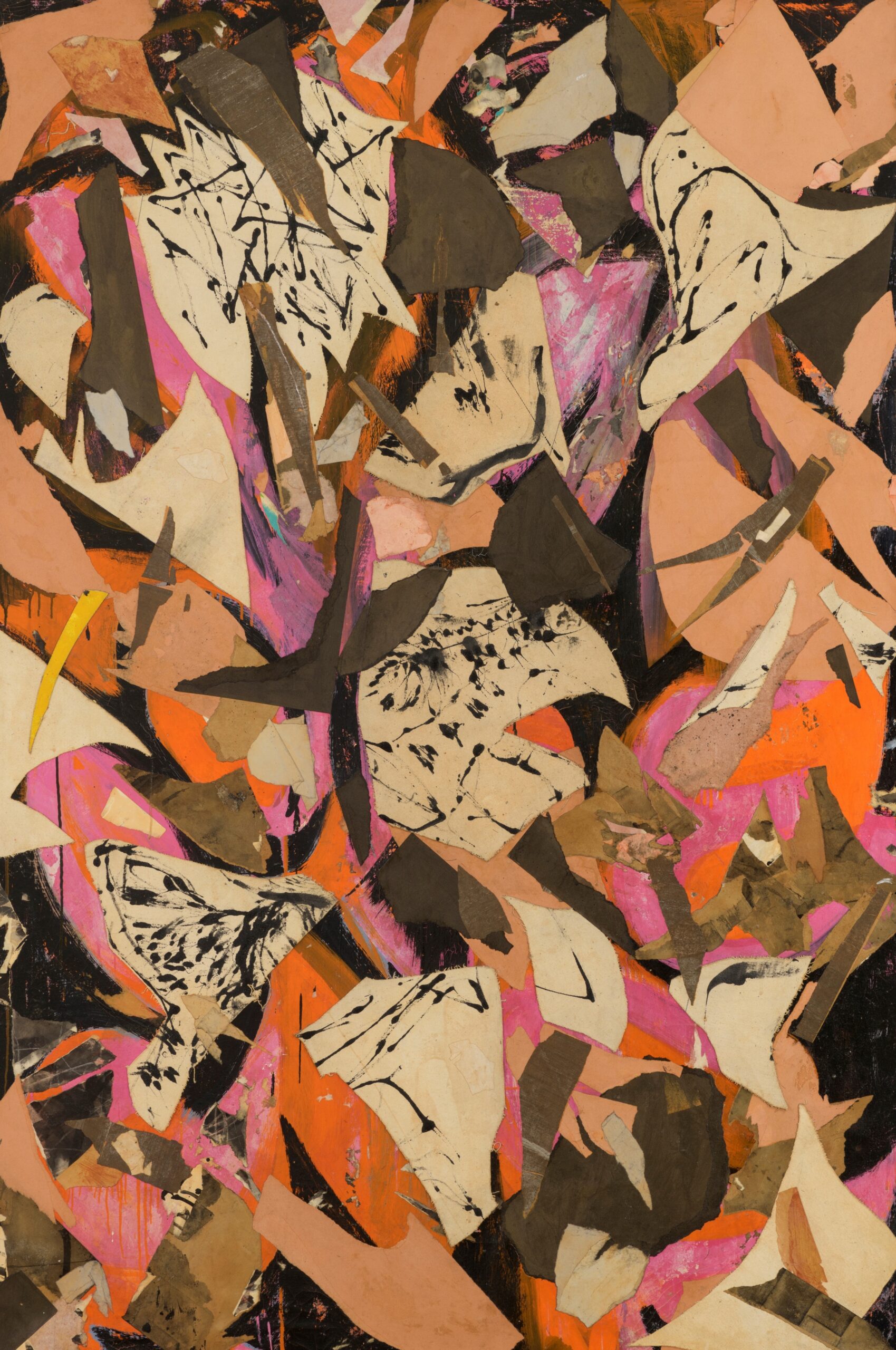
2. Krasner and Pollock: Past Continuous at the Met (on view until 31 January 2027)
Free: Pay-what-you-wish for New York State residents and NY, NJ, and CT students.
In 1941, Lee Krasner was already making her way through New York’s avant-garde art world when she came across a name she didn’t know: Jackson Pollock. Intrigued, she found his address and knocked on his studio door.
What followed changed both of their lives. Krasner spotted his talent early – and used her own art-world savvy, connections, and schmoozing powers to get his work in front of the right people who made him famous.
The irony, of course, is that history would spend decades remembering her primarily as his wife.
The Met’s new exhibition puts their careers side by side, with more than 120 works spanning the years before they met, their life together in Springs, and the nearly three decades Krasner continued painting after Pollock’s death. Lee Krasner: no husband required.
The IYKYK: Note the scale! At their house in Springs, Pollock worked in the barn while Krasner painted in a small upstairs bedroom. After his death in 1956, she moved into the barn – and her paintings expanded dramatically in size. For the first time, she had room to grow (both physically and artistically).
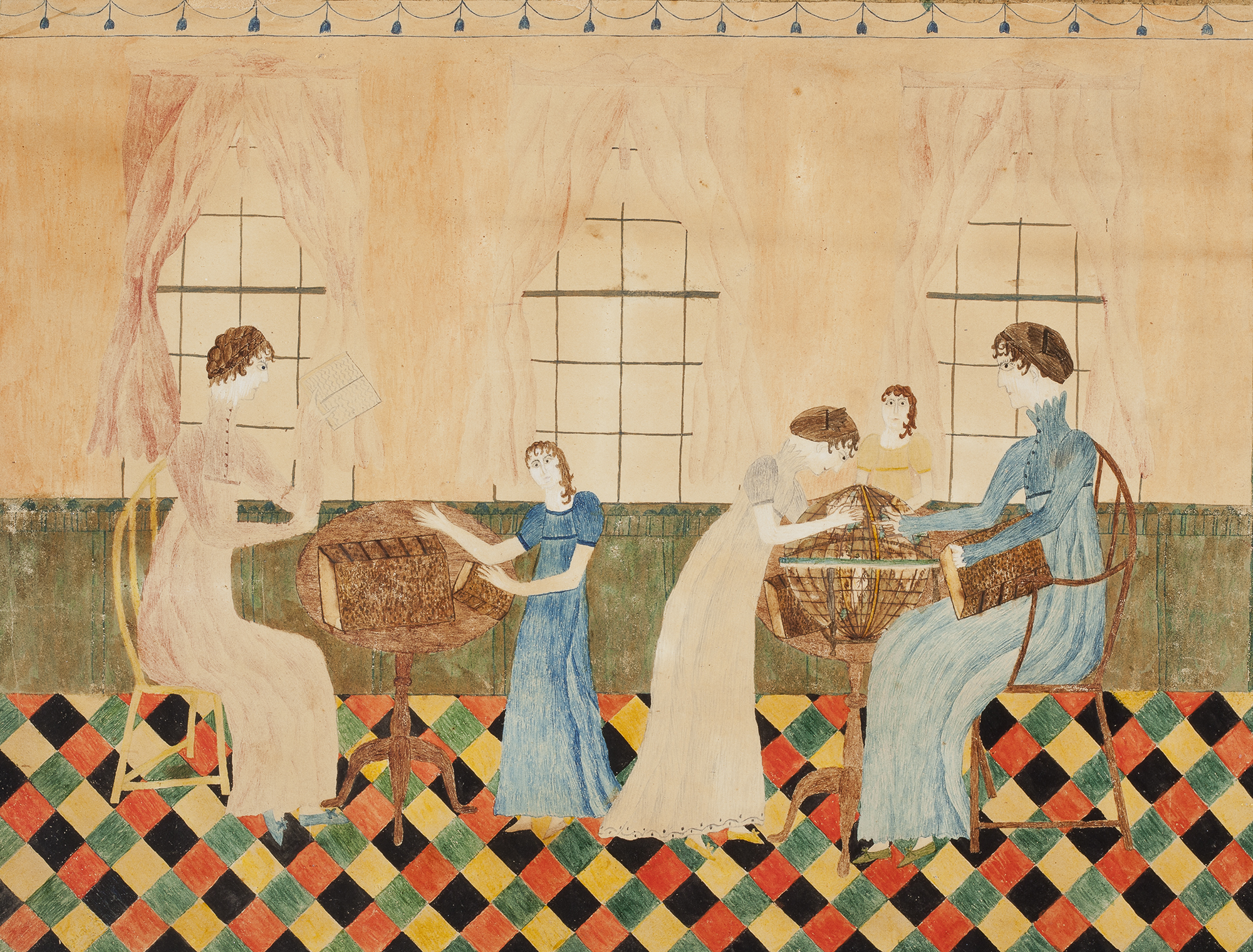
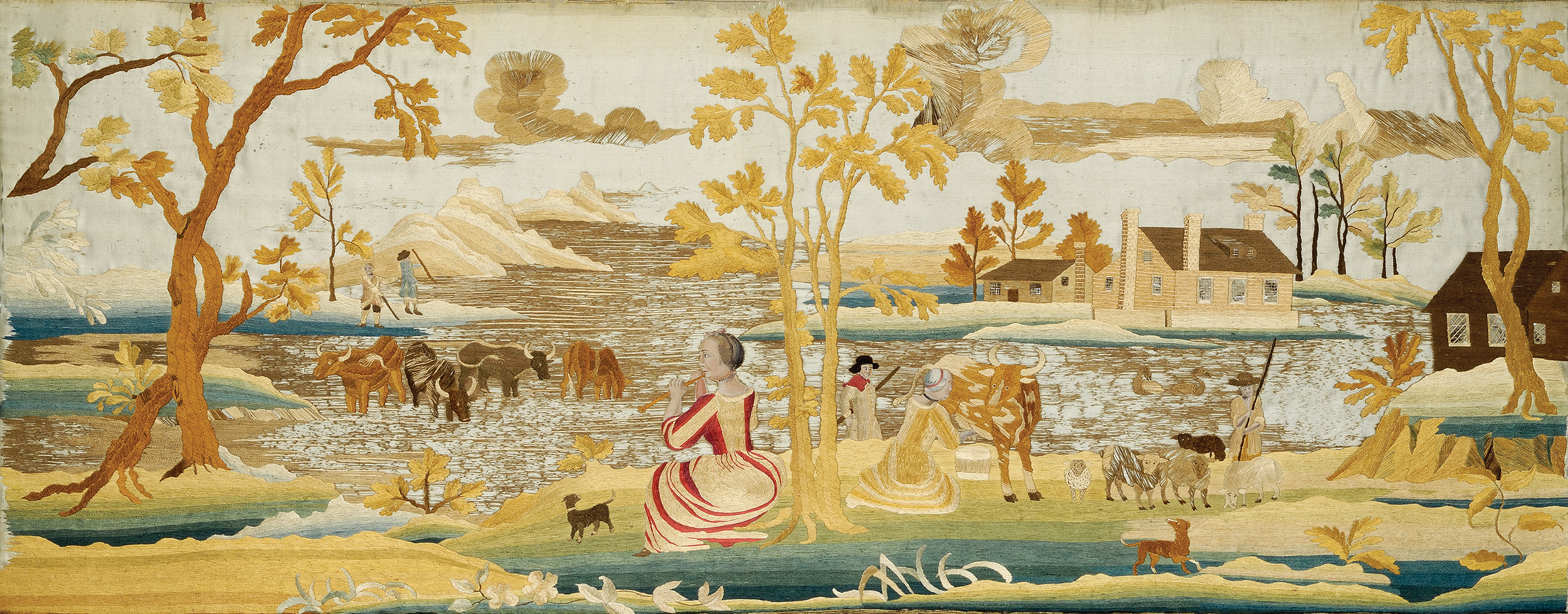
3. Locating Girlhood at the American Folk Art Museum (on view until 28 February 2027)
Free: Always.
Almost a hundred samplers, needlework pictures, and painted works made by American girls in the 1700s and 1800s. And we know their names too!
An 11-year-old Faith Trumbull was making elaborate needlework pictures before her younger brother John became one of the most famous painters of the American Revolution. Ten-year-old Rebecca Carter stitched the Rhode Island State House. And 12-year-old Rachel Barrett embroidered the segregated African School she attended in Halifax in 1845.
American Art history hasn’t exactly categorized works by these young ladies “art” before. This show is saying that the consideration is long overdue.
The IYKYK: The catalogue foreword is by historian Laurel Thatcher Ulrich – the woman who coined “well-behaved women seldom make history.” She first wrote the line in a 1976 academic paper about Puritan funeral sermons (little did she know the slogan would take suburbia bumper stickers by storm!).
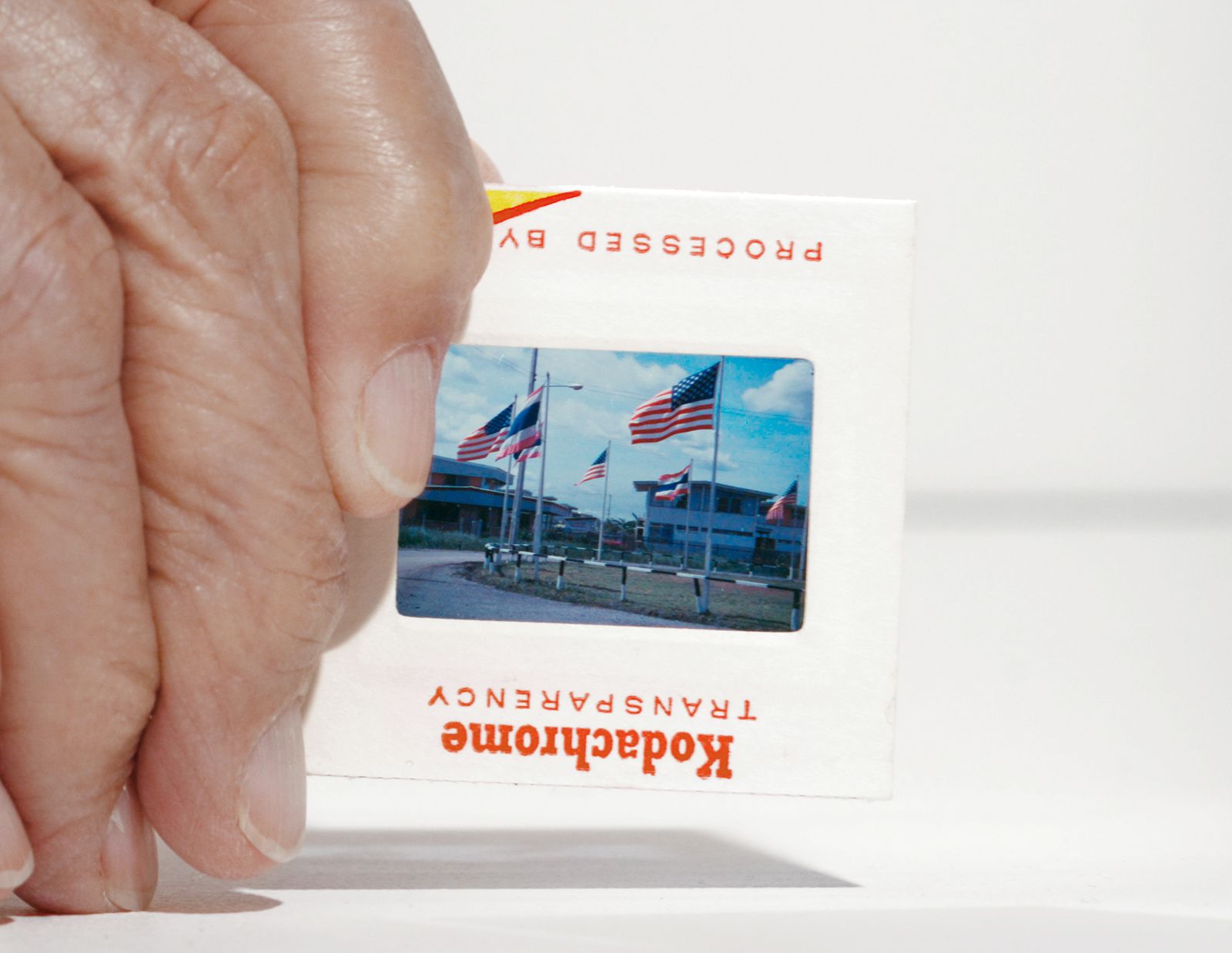
4. Taryn Simon: Father Country I Do Love You at the Guggenheim (on view until 14 March 2027)
Free: pay-what-you-wish, 4–5:30pm.
A little detective work, anyone? Taryn Simon has spent her career photographing what powerful institutions would rather you didn’t see – wrongfully convicted prisoners, contraband seized at JFK, secret government sites.
For this one (that’s basically ten years in the making), she takes over the Guggenheim’s entire iconic spiral: 42 artworks tracing the life of an unnamed federal agent.
The show is woven together with stories of Simon’s father. He worked for the U.S. government, traveling to Russia, Iran, Israel, China, Afghanistan, and Korea – then left to manufacture arcade games. After his Alzheimer’s diagnosis, she knew she’d never get his full story.
The IYKYK: It’s the first time the Guggenheim has given the rotunda to a single photography-based artist – and the largest debut of new work in the museum’s history!
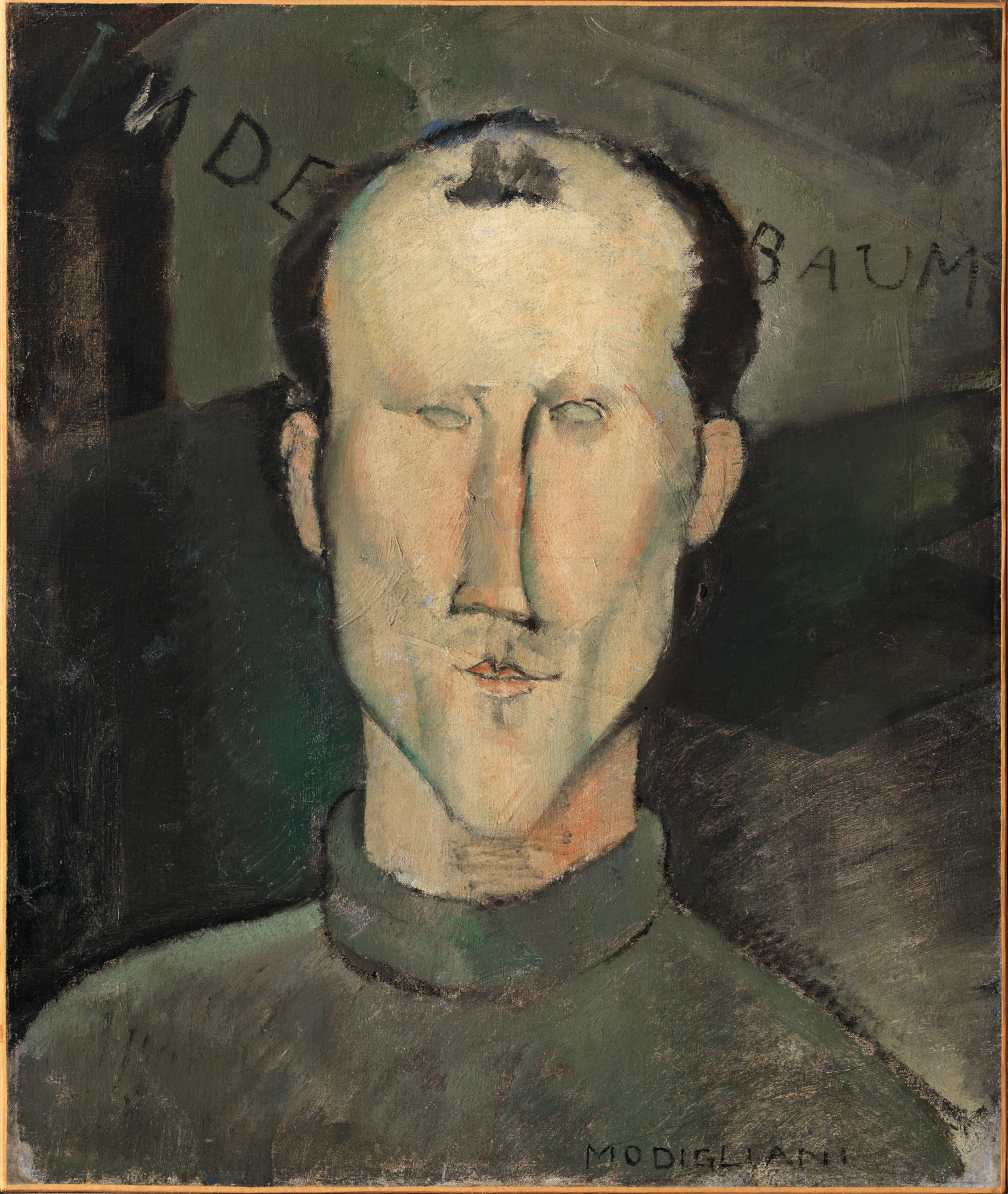
5. Cézanne to Modigliani at the Brooklyn Museum (on view until 18 April 2027)
Free: First Saturdays, 5–11pm. Included with general admission — no special ticket.
Henry Pearlman didn’t grow up in the art world. He was a Brooklyn kid, the son of Russian Jewish immigrants, who built a cold-storage business and started buying paintings mostly to decorate his house.
Then, in 1945, he walked past a New York auction house and spotted a violently colorful landscape by Chaïm Soutine. He bought it — and everything changed.
Over the next three decades, Pearlman taught himself art history, befriended dealers and artists, traded paintings for better paintings, and assembled Cézannes, Modiglianis, Degas, Gauguins, Toulouse-Lautrecs and Van Goghs.
This is his collection – finally home again in Brooklyn.
The IYKYK: After this exhibition, the collection splits between Brooklyn, MoMA and LACMA — so this is the last time Pearlman’s specific vision will be together in one room.
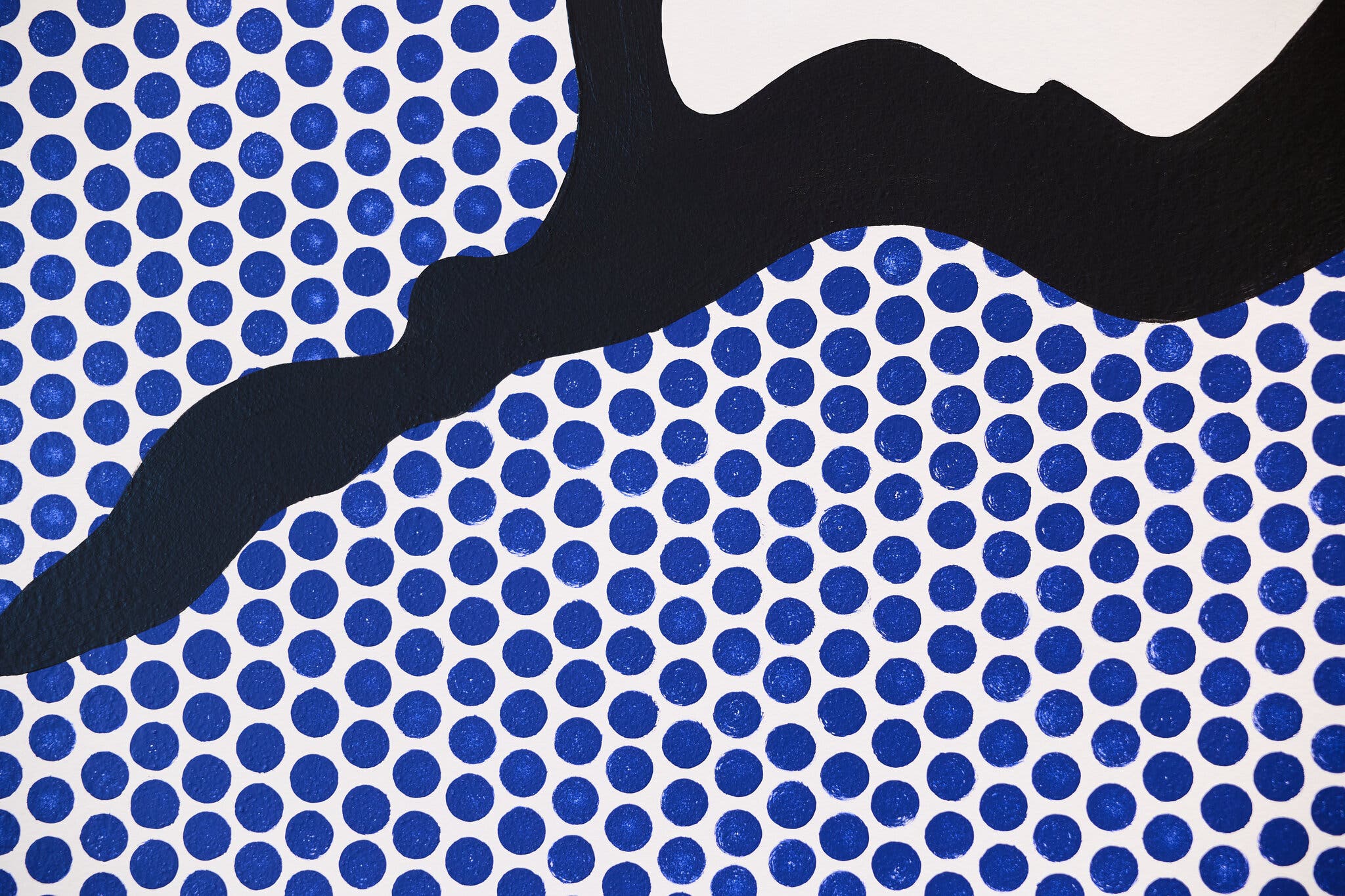
6. Roy Lichtenstein: Like New at the Whitney (on view until 10 May 2027)
Free: Friday nights 5–10pm, the second Sunday of every month, and always if you’re under 25.
In 1962, Roy Lichtenstein opened his first solo show at Leo Castelli Gallery with eight paintings. They sold out before the opening. Now for the first time since, this show puts those eight paintings back together.
We know Roy for the comic-book girls and Ben-Day dots – but this show keeps going with over 130 works from the 1940s through the 1990s. They’ve also recreated three of his murals, including a nearly 96-foot Greene Street Mural.
The IYKYK: Find Look Mickey (1961), the painting that started it all. As Lichtenstein’s story goes, his son pointed at a Mickey Mouse comic and said he bet his dad couldn’t paint as well as that. Consider the challenge accepted, Mickey.